Is your store leaking revenue?
Find out exactly where you're losing sales — takes 2 minutes.
Market size, platforms, payments, and logistics for selling online in KSA
How Big Is Saudi Arabia's Ecommerce Market in 2026?
The numbers are hard to ignore.
Saudi Arabia's ecommerce market is a $12 billion industry growing at 13-15% annually, driven by Vision 2030's digital transformation push and a mobile-first population where 98% of internet users shop on their phones. The Kingdom is the largest ecommerce market in the Middle East, according to Statista's 2026 Digital Market Outlook, outpacing the UAE in total transaction volume.
Ecommerce in Saudi Arabia is the fastest-growing retail channel in the Gulf region. The Saudi government has made digital commerce a central pillar of Vision 2030, investing billions into digital infrastructure, fintech licensing, and logistics networks.
Here is what is driving the growth:
- Young, connected population. Over 70% of Saudi residents are under 35. Smartphone penetration exceeds 98%. This is a population that grew up buying on their phones.
- Government backing. The Communications, Space & Technology Commission (CST) actively promotes digital commerce. E-invoicing mandates from ZATCA are pushing businesses online whether they planned to or not.
- Rising disposable income. GDP per capita in Saudi Arabia is among the highest in the region. Average online order values in KSA run 25-40% higher than in Southeast Asian markets.
The market is not theoretical. International brands like Noon, Amazon.sa, and Namshi have validated demand. Local players like Jarir and Extra are scaling their online channels aggressively. And thousands of independent DTC brands are launching on Salla and Shopify every month.
If you are considering expansion into the Middle East, Saudi Arabia is the anchor market. Everything else — UAE, Bahrain, Kuwait — follows from here.

What Do Saudi Consumers Actually Buy Online?
The spending patterns tell you where to focus.
Electronics, fashion, and beauty dominate Saudi ecommerce, accounting for over 60% of online transactions. The average order value in KSA is $85-120, significantly higher than global averages, with grocery delivery emerging as the fastest-growing category at 35% year-over-year growth according to RedSeer Strategy Consulting.
Here is the breakdown by category:
| Category | Share of Online Sales | Avg. Order Value (SAR) | Growth Rate |
|---|---|---|---|
| Electronics & Appliances | 28% | 450-800 | 12% |
| Fashion & Apparel | 22% | 280-450 | 18% |
| Beauty & Personal Care | 14% | 180-320 | 22% |
| Grocery & Food Delivery | 12% | 150-250 | 35% |
| Home & Furniture | 10% | 500-1,200 | 15% |
| Health & Wellness | 8% | 200-400 | 20% |
| Other | 6% | Varies | — |
Sources: Statista, RedSeer, WebMedic market research (2025-2026)
A few things stand out. Fashion and beauty are growing faster than electronics — Saudi consumers, particularly women aged 18-34, are driving a massive shift toward online fashion purchasing. Grocery delivery exploded post-pandemic and shows no signs of slowing.
For DTC brands, the sweet spot is fashion, beauty, health, and specialty food. These categories have high repeat purchase rates, strong margins, and audiences that respond well to social commerce on Instagram, Snapchat, and TikTok.
Which Ecommerce Platforms Work Best in Saudi Arabia?
Platform choice determines your ceiling.
Salla dominates Saudi Arabia's ecommerce platform market with over 50,000 active stores, offering native Arabic RTL support and local payment integrations out of the box. Shopify is the fastest-growing alternative, expanding its Arabic support and Saudi payment partnerships since 2024. The best choice depends on whether you sell domestically only or plan to scale internationally.
Here is how the main platforms compare:
| Platform | Arabic RTL | Saudi Payments (Mada) | Best For | Monthly Cost |
|---|---|---|---|---|
| Salla | Native | Built-in | Arabic-only, domestic brands | Free - 299 SAR |
| Zid | Native | Built-in | Saudi-focused with POS | 99 - 499 SAR |
| Shopify | Theme-dependent | Via gateway (Tap, HyperPay) | International brands, scaling | $39 - $399 USD |
| WooCommerce | Plugin-based | Via plugin | Developers with custom needs | Hosting + plugins |
Source: Platform pricing pages, WebMedic implementation data (2026)
Salla is the local leader. If you are a Saudi brand selling only within KSA, Salla gives you the fastest path to launch. Arabic-first interface, Mada integration built in, local shipping partners pre-connected. The limitation is international reach — Salla is built for the Saudi market, not for scaling across borders.
Shopify is the right choice if you plan to sell beyond Saudi Arabia. The app ecosystem is unmatched. Arabic RTL themes have improved significantly since Shopify's Middle East push in 2024. You will need a third-party payment gateway like Tap or HyperPay for Mada support, but once configured, Shopify handles multi-currency, multi-language, and international shipping better than any alternative.
Zid sits between Salla and Shopify. Good for Saudi brands that also need point-of-sale for physical retail. Less mature app ecosystem than Shopify.
WooCommerce works if you have a developer on staff. Otherwise, the maintenance overhead makes it a poor choice for most Saudi merchants.
We help brands in the Gulf set up Shopify stores built for regional markets. The platform choice matters less than the execution — but picking the wrong platform creates friction you will fight for years.

What Payment Methods Do Saudi Shoppers Expect?
Get payments wrong and nothing else matters.
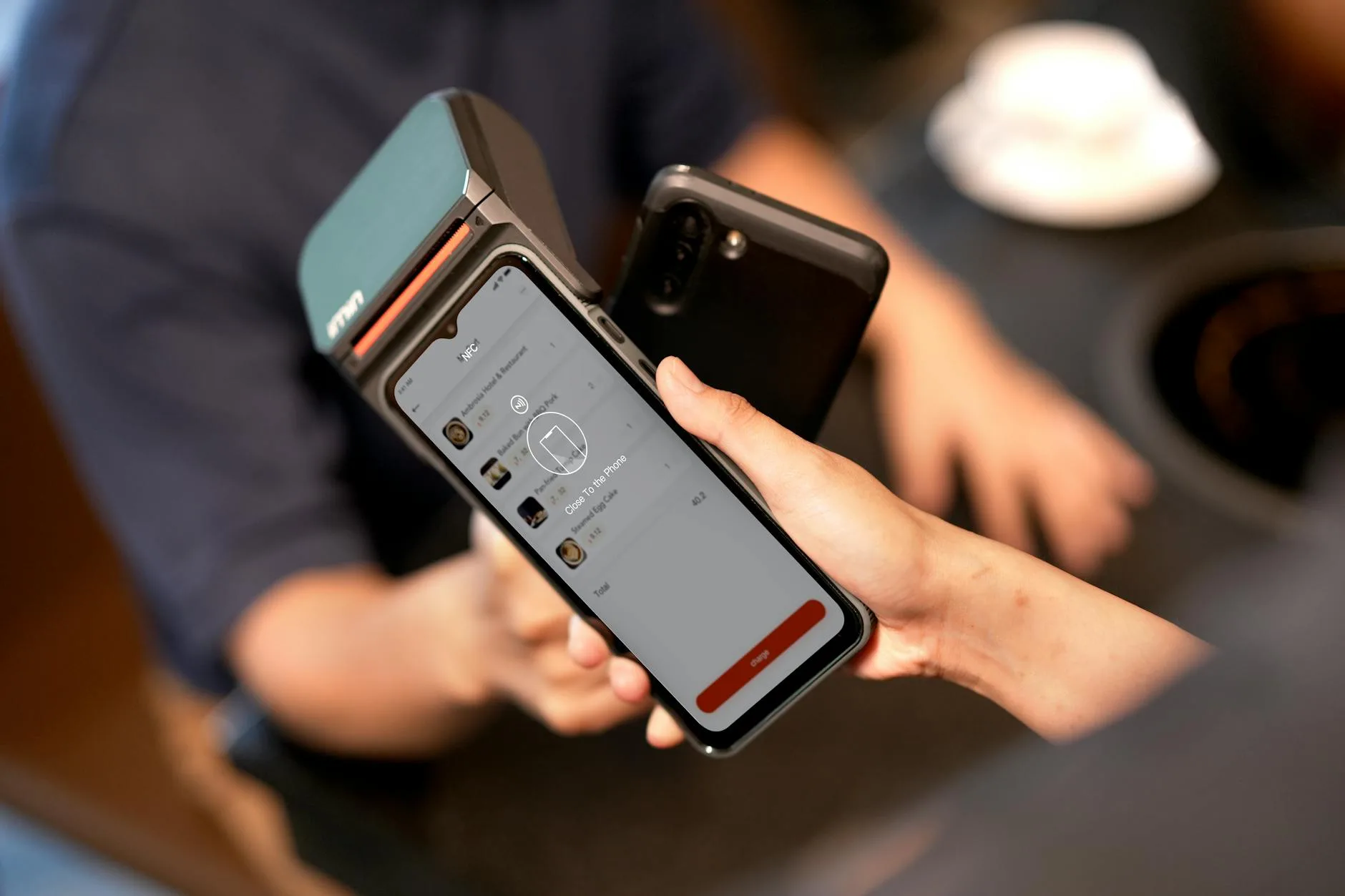
Mada debit cards process over 70% of online transactions in Saudi Arabia, making Mada integration non-negotiable for any ecommerce store in KSA. Buy-now-pay-later through Tabby and Tamara is the fastest-growing payment method, with BNPL adoption reaching 30% of online checkouts in fashion and beauty categories according to Tabby's 2025 merchant report.
Here is the payment landscape ranked by importance:
Mada (mandatory). Saudi Arabia's national debit card network. Over 30 million cards in circulation. If your checkout does not accept Mada, you are turning away the majority of your customers. Payment gateways like Tap, HyperPay, and Moyasar all support Mada.
Apple Pay. Saudi Arabia has one of the highest Apple Pay adoption rates globally. iPhone market share in KSA exceeds 45%. Apple Pay at checkout reduces friction significantly — one-tap purchasing on mobile.
Tabby and Tamara (BNPL). Split payments are massive in Saudi Arabia. Tabby and Tamara are the two dominant providers. In fashion and beauty, BNPL now accounts for 25-30% of checkout completions. Offering BNPL lifts average order value by 20-40%. If you sell products above 200 SAR, this is not optional.
Credit cards (Visa, Mastercard). Still relevant, especially for international buyers and higher-value purchases. But Mada is where the volume is.
Cash on delivery (COD). Declining but not dead. COD still represents 15-20% of orders in Saudi Arabia, mostly outside Riyadh and Jeddah. COD adds operational cost — failed deliveries, cash handling, returns. Phase it out as your brand builds trust, but offer it initially if you are new to the market.
Does this sound like your store? Find out where you're leaking revenue — take the free Revenue Score. 3 minutes. Free. No pitch.
How Does Shipping Work for Saudi Ecommerce?
Delivery expectations in KSA are high — and rising.
Same-day delivery is now standard in Riyadh and Jeddah, with SMSA Express, Aramex, and J&T Express Saudi offering same-day options for ecommerce merchants. Nationwide delivery across Saudi Arabia takes 2-3 business days. Shipping costs average 18-25 SAR per domestic order, with free shipping thresholds typically set at 200-300 SAR by successful Saudi stores.
The logistics infrastructure in Saudi Arabia has improved dramatically. Vision 2030 investments in logistics zones, last-mile networks, and warehouse automation have created a shipping environment that rivals more mature markets.
Key carriers:
| Carrier | Same-Day | Nationwide | COD Support | Best For |
|---|---|---|---|---|
| SMSA Express | Yes (Riyadh, Jeddah) | 2-3 days | Yes | Reliability, coverage |
| Aramex | Yes (major cities) | 2-3 days | Yes | Regional expansion (GCC) |
| J&T Express Saudi | Yes (Riyadh) | 2-4 days | Yes | Cost-effective volume |
| DHL eCommerce | No | 3-5 days | Limited | International returns |
Source: Carrier rate cards and WebMedic client shipping data (2026)
Same-day delivery in Riyadh and Jeddah is table stakes. Consumers in major Saudi cities expect it. If a competitor offers same-day and you offer 3-5 days, you lose the sale. Partner with SMSA or Aramex for same-day coverage in the top three cities (Riyadh, Jeddah, Dammam).
Returns handling matters more than you think. Saudi consumers return 15-25% of fashion purchases. Build return logistics into your cost model from day one. Most carriers offer reverse logistics — use them.
Free shipping thresholds work. Set your free shipping threshold at 200-300 SAR. It lifts average order value and reduces cart abandonment. Below that threshold, charge a flat 18-25 SAR.

What Are the Legal Requirements for Selling Online in KSA?
Compliance is straightforward if you do it upfront.
Every ecommerce business in Saudi Arabia needs a Commercial Registration (سجل تجاري) from the Ministry of Commerce, which costs 200 SAR and can be obtained in 24 hours through the Meras platform. Businesses must also register with ZATCA for 15% VAT and comply with e-invoicing (Fatoorah) requirements that became mandatory for all businesses in 2024.
Here is the compliance checklist:
1. Commercial Registration (سجل تجاري). Required for any business selling online in Saudi Arabia. Apply through the Meras platform — it takes about 24 hours and costs 200 SAR/year. You need a Saudi national ID or an iqama (residency permit) for expats.
2. Maroof Certification. Maroof is the Ministry of Commerce's trust platform for online stores. Registration is free and links to your commercial registration. Saudi consumers actively check Maroof ratings before purchasing from unfamiliar stores. Skip this and you lose trust.
3. VAT Registration (ZATCA). Saudi Arabia charges 15% VAT on all goods and services. Register with the Zakat, Tax and Customs Authority (ZATCA). If your annual revenue exceeds 375,000 SAR, VAT registration is mandatory. Below that threshold, it is voluntary but recommended.
4. E-invoicing (Fatoorah). ZATCA requires all businesses to issue electronic invoices in a specific format. Phase 2 (integration phase) requires invoices to be shared with ZATCA in real time. Most ecommerce platforms and accounting software now handle this automatically.
5. Product compliance. Certain categories — cosmetics, food, electronics, health products — require SASO (Saudi Standards Organization) certification or SFDA (Saudi Food and Drug Authority) approval before you can sell.
The regulatory environment is business-friendly compared to many markets. The government wants ecommerce to grow — compliance is about structure, not barriers.
How Do You Launch a Shopify Store for the Saudi Market?
Execution is where most international brands stumble.
Launching a Shopify store for Saudi Arabia requires four non-negotiable elements: an Arabic RTL theme, Mada payment integration via Tap or HyperPay, a local shipping partner like SMSA Express, and fully localized Arabic product descriptions. Stores that launch English-only in KSA see 60-70% lower conversion rates compared to Arabic-first competitors, based on WebMedic's Gulf market data.
Here are the practical steps:
Choose an Arabic RTL Shopify theme
Shopify's Dawn theme supports RTL, but most third-party themes do not. Look for themes specifically built for Arabic markets, or budget for RTL customization. Test every page in Arabic — forms, checkout, navigation. A theme that "supports RTL" in the description often breaks on product pages or at checkout.
Integrate Saudi payment methods
Connect Tap Payments or HyperPay as your payment gateway. Both support Mada, Visa, Mastercard, and Apple Pay. Add Tabby or Tamara for BNPL. Configure pricing in SAR. This is not optional — it is your conversion rate.
Partner with a local shipping carrier
Connect SMSA Express or Aramex through Shopify's shipping integrations or a fulfillment app. Set up same-day delivery zones for Riyadh and Jeddah. Configure your free shipping threshold.
Localize everything
Product titles and descriptions in Arabic. Customer service in Arabic. Email notifications in Arabic. SAR pricing with Arabic numeral formatting. Do not launch a bilingual store where the Arabic is machine-translated — Saudi consumers notice immediately.
Register your business
Get your commercial registration, Maroof profile, and VAT registration sorted before you launch. Display your سجل تجاري number in the footer. It signals legitimacy.
Set up marketing channels
Snapchat and Instagram are the dominant social platforms for ecommerce in Saudi Arabia. TikTok is growing fast. Google Ads works for search intent. Allocate budget to social commerce first — that is where Saudi shoppers discover products.
If you are expanding from Malaysia or Singapore into the Gulf, the ecommerce business plan framework applies — match your growth stage to the right tactics. And our Shopify UAE service covers the technical setup for Gulf market entry.
Frequently Asked Questions
How big is the ecommerce market in Saudi Arabia?
Saudi Arabia's ecommerce market exceeded $12 billion in 2025 and is projected to reach $15 billion by 2027, growing at 13-15% annually. The Kingdom accounts for over 45% of all ecommerce transactions in the Middle East and North Africa region. Vision 2030 investments in digital infrastructure continue accelerating growth.
What is the best ecommerce platform for Saudi Arabia?
Salla is the best platform for Saudi-only merchants, with 50,000+ active stores and native Mada integration. Shopify is the best choice for brands planning international expansion, offering superior app ecosystem and multi-currency support. Your decision depends on whether you sell domestically only or across borders.
Is cash on delivery still common in Saudi Arabia?
Cash on delivery accounts for 15-20% of Saudi ecommerce transactions in 2026, down from over 50% in 2019. Mada debit cards now handle 70%+ of online payments. COD remains relevant in smaller cities and for new brands building consumer trust, but the trend is firmly toward digital payments.
Do I need a Saudi commercial registration to sell online?
Yes. The Ministry of Commerce requires a Commercial Registration (سجل تجاري) for any business selling online in Saudi Arabia. Registration costs 200 SAR per year and takes approximately 24 hours through the Meras platform. Foreign businesses can register through a Saudi partner or by establishing a local entity.
What payment methods should a Saudi ecommerce store accept?
Every Saudi ecommerce store must accept Mada debit cards (70% of online transactions), Apple Pay (45% iPhone market share in KSA), and at least one BNPL provider — Tabby or Tamara. Credit cards (Visa, Mastercard) and cash on delivery round out the payment stack for maximum checkout coverage.
Keep Reading

Free Download
We audited 10 Shopify stores doing $1M–$20M. Here are the 15 leaks every one had.
Real screenshots (names blurred). Most operators have 8 of the 15 and don't know it.
From 10 audits across SG, MY, AE — fashion, beauty, electronics, food.
PDF in your inbox in 30 seconds. 1 email. No follow-up unless you ask.