Is your store leaking revenue?
Find out exactly where you're losing sales — takes 2 minutes.
Multi-cultural audience, halal beauty, and Instagram-first discovery
The UAE does not shop like any other market.
Selling beauty products online in the UAE is a $2.1 billion opportunity shaped by 200+ nationalities, halal certification requirements, Instagram-first product discovery, and BNPL adoption rates above 40% for cosmetics purchases. The market rewards brands that understand multi-cultural beauty standards and influencer-driven commerce — not those copying Western DTC playbooks. WebMedic's UAE client data shows properly localized beauty stores convert 2.3x higher than generic English-only storefronts.
You have 200+ nationalities living in one country. An Emirati woman's beauty routine looks nothing like a Filipina expat's, which looks nothing like a British resident's. Most beauty brands entering the UAE treat it like a single audience. That is why most of them fail.
This is the practical guide. No theory. No recycled advice from Western markets. We will cover what actually works to sell beauty products online in the UAE in 2026.
Why Is the UAE Beauty Market Different from Everywhere Else?
Demographics change everything.
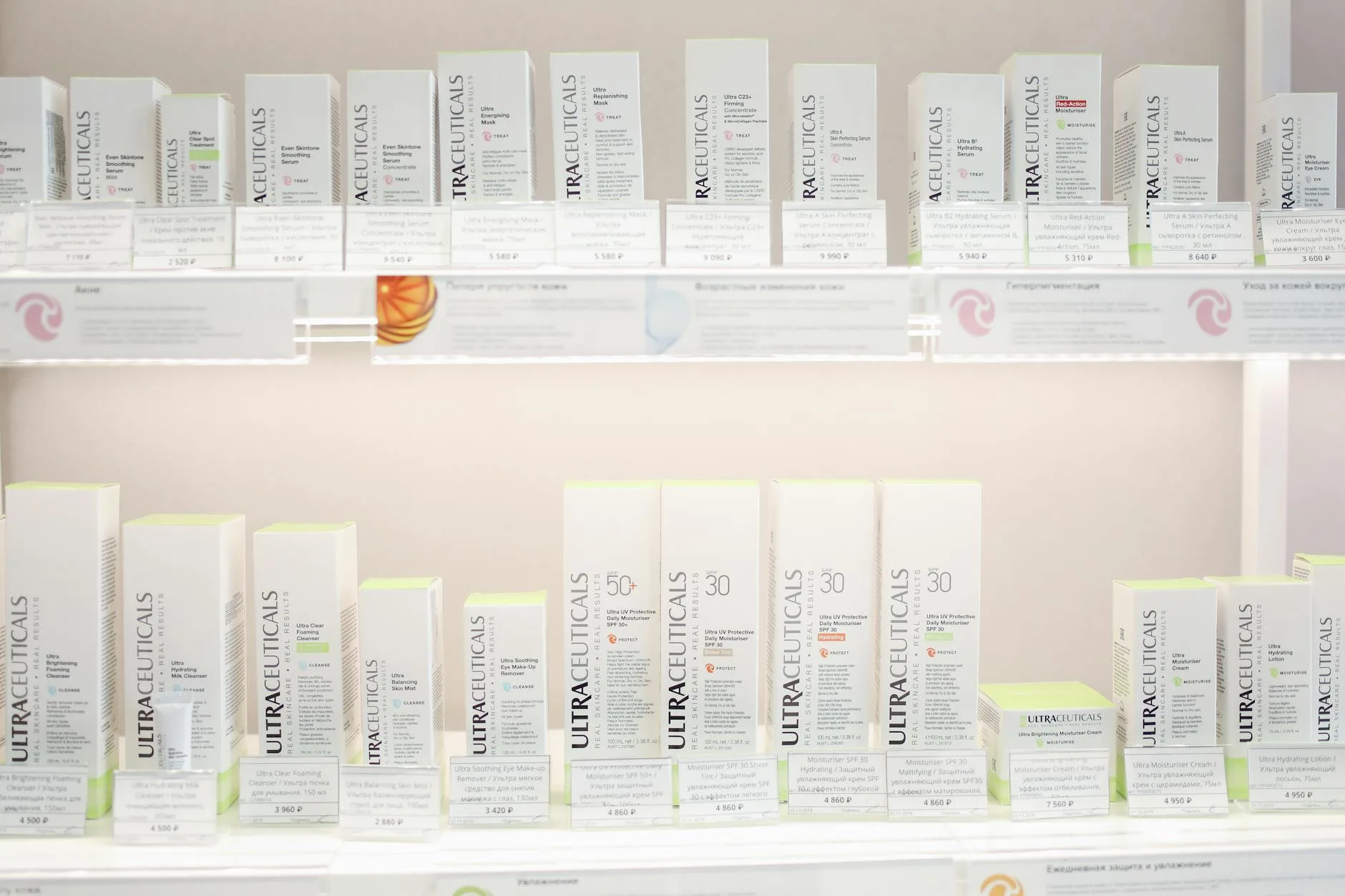
The UAE beauty market generates over $2.1 billion annually with 85% of the population being expatriates from 200+ countries, according to Statista's UAE cosmetics report. This creates a fragmented demand landscape where halal-certified, K-beauty, Western luxury, and Ayurvedic skincare all compete in the same market. No other country has this level of beauty preference diversity within a single geography.
Here is why the UAE breaks the rules:
The expat factor. 85% of UAE residents are expatriates. South Asians, Filipinos, Arabs from other GCC states, Europeans, Africans — each group brings different beauty ideals, ingredient preferences, and price expectations. A "one-size-fits-all" product page does not work here.
Instagram is Google. In Western markets, beauty discovery starts with search. In the UAE, it starts on Instagram. Over 70% of UAE beauty purchases begin with an Instagram post, Reel, or Story. Your product page is the second touchpoint, not the first.
Halal is a growth lever, not a checkbox. The global halal beauty market is projected to reach $95 billion by 2028. The UAE is the testing ground. Brands with ESMA halal certification outsell uncertified competitors in the same category by measurable margins.
K-beauty dominates skincare. Korean skincare brands hold an outsized share of the UAE skincare market. Multi-step routines, sheet masks, and ingredient-driven products resonate strongly with both Arab and Asian demographics. If you sell skincare, you are competing against K-beauty imports whether you know it or not.
| Market Factor | UAE | Western Markets |
|---|---|---|
| Primary discovery channel | Instagram/TikTok | Google Search |
| Halal certification impact | +15-25% conversion lift | Minimal impact |
| Audience fragmentation | 200+ nationalities | Relatively homogeneous |
| Average beauty AOV (online) | AED 180-350 ($49-95) | $35-65 |
| BNPL adoption for beauty | 40%+ (via Tabby/Tamara) | 15-20% |
| Influencer ROI | 3-5x ROAS | 1.5-2.5x ROAS |
Sources: Statista UAE Beauty 2025-2026, Tabby merchant data, WebMedic UAE client benchmarks
This is not Malaysia, not Singapore, not the UK. Treat it as its own market.
What Do UAE Beauty Shoppers Actually Buy Online?
Skincare leads. Colour cosmetics follow.
UAE online beauty spending skews heavily toward skincare (45% of total), followed by fragrance (25%) and colour cosmetics (20%), according to Euromonitor's 2025 UAE beauty market data. K-beauty imports — particularly from brands like COSRX, Laneige, and Innisfree — account for a growing share of skincare sales. Fragrance is uniquely strong in the UAE, with per-capita spend on perfume exceeding every other market globally.
Skincare is the category leader. Serums, moisturizers, and SPF products sell consistently year-round. The UAE's climate — extreme heat, air conditioning cycling, and humidity shifts — creates genuine skin concerns that drive purchase intent. Products solving dehydration, oil control, and sun protection have built-in demand.
Fragrance is massive. The UAE spends more per capita on fragrance than any other country. Oud-based perfumes, Arabian attars, and niche fragrances perform exceptionally well. This is a cultural category — fragrance is part of daily life, not a luxury occasion purchase.
K-beauty and J-beauty imports. Korean skincare (COSRX, Some By Mi, Laneige) and Japanese skincare (Shiseido, SK-II, Hada Labo) have enormous followings. The UAE's large Asian expat population drives this, but Arab consumers have adopted multi-step routines too. If you are an independent brand, you need to understand what K-beauty does well and where the gaps are.
Halal beauty is a category, not a niche. Brands like Inglot, Inika Organic, and Tuesday in Love have built their UAE presence specifically on halal certification. This is a purchasing filter for a significant portion of shoppers.
How Do You Handle Halal Beauty Certification in the UAE?
Start with ESMA. Skip the confusion.
Halal beauty certification in the UAE is regulated by the Emirates Authority for Standardization and Metrology (ESMA), which requires products to be free from haram-derived ingredients, not tested on animals, and manufactured in facilities meeting halal standards. ESMA-certified beauty products report 15-25% higher conversion rates in UAE online stores compared to uncertified alternatives. The certification process takes 4-8 weeks and costs AED 5,000-15,000 depending on product count.
What ESMA actually requires:
- No haram-derived ingredients (alcohol, animal-derived collagen, carmine, etc.)
- Cruelty-free manufacturing
- Halal-compliant facility audits
- Ingredient sourcing documentation
The certification process:
- Submit product formulations and ingredient lists to ESMA or an ESMA-accredited body
- Facility audit (can be done remotely for international brands)
- Certificate issuance (valid for 1-3 years depending on the product category)
- Ongoing compliance reporting
The business case is clear. Halal-certified beauty products convert better in the UAE. Display the certification badge prominently on your product page — above the fold, near the add-to-cart button. We have tested this across multiple stores. Below the fold does not move the needle. Above the fold does.
Not every product needs halal certification to sell in the UAE. But if your formulation qualifies, the ROI on certification is almost always positive.
Does this sound like your store? Find out where you're leaking revenue — take the free Revenue Score. 3 minutes. Free. No pitch.
Which Platform Should You Sell Beauty Products on in the UAE?
Your own store. Not a marketplace.
Shopify dominates DTC beauty ecommerce in the UAE, powering an estimated 60%+ of independent beauty brand storefronts. Noon.com and Amazon.ae command marketplace share, but margin compression (15-25% commission) makes them unsustainable as a primary channel. WebMedic recommends Shopify as the primary storefront with marketplace presence as a supplementary discovery channel — never the reverse.
Sephora.ae and Faces.com are the established beauty retailers. They own brand trust and foot traffic. You are not competing with them on breadth — you are competing on niche expertise, community, and direct relationship.
The marketplace trap: Noon.com and Amazon.ae offer volume but destroy margins. Beauty brands on Noon pay 15-25% commission plus fulfillment fees. For a product with 60% gross margin, that leaves you with 35-45% — before ad spend. Use marketplaces for discovery and brand awareness, not as your primary revenue channel.
Shopify for the UAE:
- Multi-currency support (AED, SAR, KWD, BHD for GCC customers)
- Arabic language storefront capability
- Tabby and Tamara BNPL integration (one-click install)
- Instagram Shopping and TikTok Shop integration
Build your Shopify store as the conversion engine. Use marketplaces to feed it.
How Do You Market Beauty Products in the UAE?
Instagram first. Everything else second.
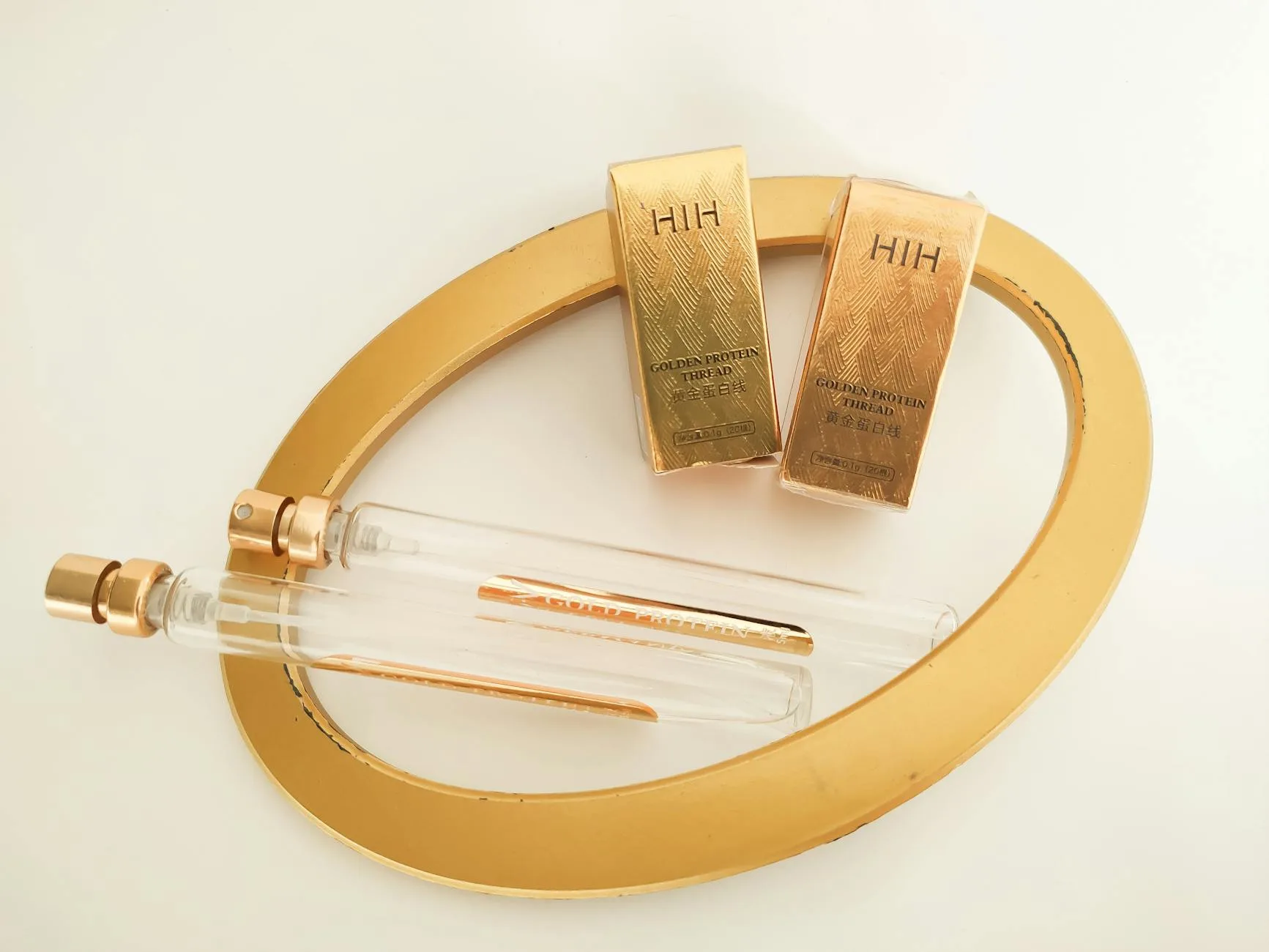
Instagram drives over 70% of beauty product discovery in the UAE, followed by TikTok at 18% and Google Search at 8%, according to Meta's 2025 MENA commerce report. Influencer marketing in the UAE delivers 3-5x ROAS for beauty brands — significantly higher than Western markets. Micro-influencers (10K-50K followers) based in Dubai consistently outperform macro-influencers on conversion rate per dirham spent.
The Instagram playbook:
- Instagram Shopping is your storefront extension. Tag products in every post and Story.
- Reels outperform static posts 4:1 on reach in the UAE beauty vertical.
- Carousel posts drive the highest save rate — save rate correlates with purchase intent.
Influencer strategy that works:
Dubai has the highest concentration of beauty influencers per capita in the world. But most brands waste money on the wrong ones.
- Micro-influencers (10K-50K): Best ROI. They have engaged, trusting audiences. Budget AED 1,000-3,000 per post.
- Nano-influencers (1K-10K): Best for UGC collection. Gift product + small fee. Their content fuels your paid social.
- Macro-influencers (100K+): Awareness only. Do not expect direct sales unless they have a proven track record of driving clicks.
TikTok is growing fast. Tutorial content — "Get ready with me" and "skincare routine" formats — drives discovery. TikTok Shop launched in the UAE in 2024, and beauty is its fastest-growing category.
Ramadan is your biggest season. Modest glam makeup tutorials spike during Ramadan. Eid party looks drive colour cosmetics sales. Plan your influencer campaigns 6-8 weeks before Ramadan starts — every beauty brand in Dubai competes for the same creators during this window.
WhatsApp for consultations. UAE beauty shoppers expect personal attention. A WhatsApp button on your product page for shade matching, skincare advice, or ingredient questions converts browsers into buyers. We see 15-20% conversion rates on WhatsApp-assisted sales.
What Payment and Shipping Setup Do You Need for UAE Beauty Ecommerce?
Tabby is non-negotiable.
BNPL provider Tabby processes over 40% of beauty purchases in the AED 100-500 range in the UAE, making it the single most impactful payment integration for beauty ecommerce. Same-day or next-day delivery via Aramex, Fetchr, or Quiqup is the expected standard in Dubai and Abu Dhabi. Cash on delivery (COD) still accounts for 25-30% of UAE ecommerce transactions and cannot be ignored despite higher return rates.
Payment setup:
| Payment Method | UAE Adoption | Must-Have? |
|---|---|---|
| Credit/debit card | 45% of transactions | Yes |
| Tabby (BNPL) | 30%+ for beauty | Yes — highest conversion impact |
| Tamara (BNPL) | 15% | Recommended |
| Apple Pay | 12% | Yes |
| Cash on delivery | 25-30% | Yes — expect 8-12% higher returns |
Sources: Tabby merchant reports 2025, UAE Central Bank payment statistics
COD reality check. You will lose money on some COD orders — rejection rates run 8-15% for beauty. But refusing COD in the UAE means losing 25-30% of potential customers. Build the rejection cost into your pricing model and monitor it monthly.
Shipping expectations:
- Dubai/Abu Dhabi: Same-day or next-day delivery is the baseline. Aramex, Fetchr, and Quiqup handle this.
- Other Emirates: 2-3 day delivery is acceptable.
- GCC cross-border (Saudi, Kuwait, Bahrain, Oman, Qatar): 3-5 days. Significant revenue opportunity — many UAE-based beauty stores serve the entire GCC.
Multi-currency matters. Your primary currency is AED, but Saudi customers (your largest cross-border segment) expect to see prices in SAR. Shopify Markets handles this automatically. Set it up from day one.
DED licensing. You need a Department of Economic Development trade license to sell cosmetics in the UAE. Freezone licenses (Dubai Internet City, DMCC, IFZA) work for ecommerce-only businesses. Budget AED 15,000-25,000 for initial setup including visas.
What Mistakes Do Beauty Brands Make When Entering the UAE Market?
They treat it like a Western market with Arabic translation.
The three most common mistakes beauty brands make entering the UAE are: treating 200+ nationalities as one audience, ignoring halal certification as a conversion lever, and underinvesting in Instagram and influencer marketing while overspending on Google Search ads. WebMedic's audits of UAE beauty stores show that brands addressing multi-cultural segmentation from launch achieve 2-3x higher 90-day revenue compared to those using a single-audience approach.
Mistake 1: One audience, one product page. An Emirati woman shopping for foundation has different shade needs, ingredient preferences, and price expectations than a South Asian expat or a European resident. Your product pages need to serve all three without alienating any.
Mistake 2: Skipping halal certification. "We'll add it later" is what every failing beauty brand says. If your product can qualify, certify before launch. The conversion lift pays for the certification cost within weeks.
Mistake 3: Google Ads first, Instagram second. In the UAE beauty market, this is backwards. Instagram and TikTok drive discovery. Google captures demand that already exists. Start where your customers start — which is their Instagram feed.
Mistake 4: Ignoring Ramadan. Ramadan is not just a holiday. It is the single biggest beauty commerce period in the UAE. Brands that plan Ramadan campaigns 8 weeks in advance outperform those scrambling in the first week.
Mistake 5: No Arabic on the store. You do not need a fully Arabic site. But product descriptions, key navigation, and checkout in Arabic make a measurable difference. Right-to-left layout support matters.
Mistake 6: Underpricing for COD. Cash on delivery rejection rates eat your margin. Build a 10-15% buffer into your unit economics model. If your margins cannot absorb COD rejections, reconsider your pricing before launch.
Frequently Asked Questions
How big is the UAE online beauty market in 2026?
The UAE beauty and personal care market exceeds $2.1 billion annually with online sales growing at 18-22% year-over-year according to Statista. Skincare leads at 45% of online beauty sales, followed by fragrance at 25%. The UAE has the highest per-capita beauty spend in the Middle East, driven by a young, affluent, digitally-native population.
Do I need halal certification to sell cosmetics online in the UAE?
Halal certification is not legally required to sell cosmetics online in the UAE, but it significantly improves conversion rates — ESMA-certified beauty products report 15-25% higher conversion in UAE online stores. The Emirates Authority for Standardization and Metrology (ESMA) manages the certification process, which takes 4-8 weeks and costs AED 5,000-15,000.
What license do I need to sell beauty products online in Dubai?
You need a Department of Economic Development (DED) trade license with a cosmetics trading activity. Freezone licenses from Dubai Internet City, DMCC, or IFZA work for ecommerce-only businesses. Budget AED 15,000-25,000 for initial setup. Additionally, certain product categories may require registration with the UAE Ministry of Health and Prevention.
Which payment methods are essential for beauty ecommerce in the UAE?
Tabby (BNPL) is the single most impactful payment integration for beauty ecommerce in the UAE, processing over 40% of beauty purchases in the AED 100-500 range. Credit cards, Apple Pay, and cash on delivery are also essential. COD accounts for 25-30% of UAE ecommerce transactions but carries 8-15% rejection rates that must be factored into pricing.
Is Instagram or Google more important for UAE beauty marketing?
Instagram drives over 70% of beauty product discovery in the UAE, making it far more important than Google Search for beauty brands. TikTok is the second-largest discovery channel at 18%. Google Search captures existing demand but does not create it in this market. Start with Instagram Shopping and influencer partnerships before investing in Google Ads.
Keep Reading
- Beauty Brand Marketing in the UAE: The Complete Playbook — The full marketing playbook for beauty brands in Dubai and the UAE.
- Beauty & Personal Care Ecommerce — Industry hub for beauty ecommerce strategy and conversion.
- Shopify UAE — Shopify development and CRO for UAE DTC brands.
- Ecommerce Website Design Dubai — Custom ecommerce design for Dubai and UAE brands.
Free Download
23 things your top competitor's store has that yours doesn't.
"I look at their store and it just looks better. We get the traffic — something's clearly off." Here are the 23 specific things they're doing.
Benchmarked across 20+ Shopify stores in beauty, fashion, food & beverage. Half the gaps close in under a week.
PDF in your inbox in 30 seconds. 1 email. No follow-up unless you ask.