Is your store leaking revenue?
Find out exactly where you're losing sales — takes 2 minutes.
Modest fashion meets global demand. Selling to the most diverse market on earth
Returns will kill your fashion business in the UAE.
Selling clothing online in the UAE is a $4.7 billion market defined by 35-45% return rates (the highest in the GCC region), 200+ nationalities with vastly different sizing standards, and a growing modest fashion segment valued at $44 billion globally. The UAE is simultaneously a luxury market and a price-sensitive mass market — depending on which of its 200+ nationalities you are serving. WebMedic's UAE fashion clients reduce return rates by 8-12 percentage points through detailed size guides, AR try-on, and fit-specific product photography.
That is the first thing you need to understand. UAE fashion ecommerce has the highest return rates in the Middle East — 35-45% for apparel. Compare that to 20-25% in the US and 15-20% in Southeast Asia. If your unit economics cannot absorb that, you are not ready for this market.
But the upside is enormous. The UAE online fashion market is growing at 15-18% annually, driven by a young, affluent population that shops online more than any other demographic in the Middle East.
This guide covers what actually matters: sizing diversity, modest fashion demand, returns management, and the platforms and marketing channels that work. Read the scorecard first if you need a baseline audit of your store.
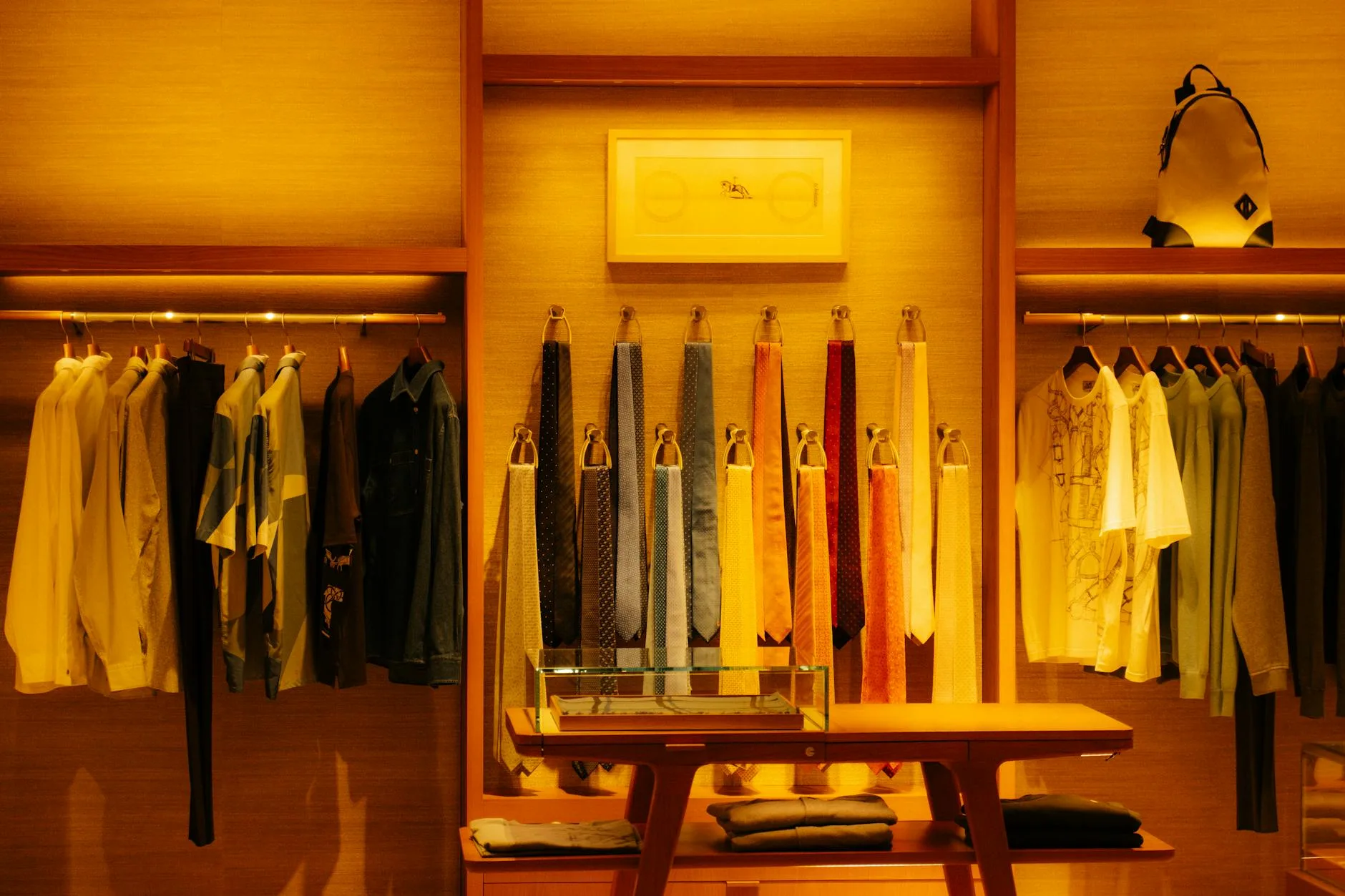
Why Is the UAE Fashion Market Unlike Any Other?
Diversity creates complexity. Complexity creates opportunity.
The UAE fashion ecommerce market is valued at $4.7 billion in 2026, shaped by 200+ nationalities with different body types, size expectations, and cultural dress codes, according to Statista's UAE fashion market report. Dubai Mall — the world's most-visited shopping destination with 80+ million annual visitors — sets the UX benchmark that online stores must match. Modest fashion (including abayas, hijabs, and modest-cut Western styles) is the fastest-growing fashion sub-category in the UAE, growing 11% year-over-year.
200+ nationalities, 200+ size expectations. European, Asian, Arab, African, and South American body types all shop in the same market. A "Medium" in European sizing means nothing to an Indian customer. A "Large" in Asian sizing confuses a British shopper. Your size guide needs to account for this.
Dubai Mall is your competitor. Not just other online stores — the physical retail experience in Dubai is world-class. Mall of the Emirates, Dubai Mall, Abu Dhabi Mall. Your online store is competing against marble floors, personal shoppers, and same-day alterations. Your UX needs to match that expectation.
Modest fashion is mainstream, not niche. The global modest fashion market is valued at $44 billion and the UAE is its epicentre. Abayas alone represent a multi-billion dirham market. But modest fashion extends beyond traditional dress — modest-cut dresses, long-sleeve options, high-neckline blouses. Western brands that offer modest options outsell those that do not in the UAE by measurable margins.
Tourism traffic creates seasonal spikes. Dubai welcomes 16+ million tourists annually. Many shop online from their hotels or buy from UAE-based stores after returning home. Your store needs to handle international shipping and multi-currency checkout to capture this audience.
| Market Factor | UAE Fashion | US/EU Fashion |
|---|---|---|
| Return rate (apparel) | 35-45% | 20-25% |
| Size standardization | None (200+ nationalities) | Relatively standardized |
| Modest fashion demand | Major category (30%+ of sales) | Emerging niche |
| Discovery channel | Instagram (65%) | Google Search (45%) |
| Delivery expectation (metro) | Same-day/next-day | 3-5 days |
| Peak season | Ramadan + Eid, White Friday | Black Friday, Christmas |
| Average online AOV | AED 250-500 ($68-136) | $50-100 |
Sources: Statista UAE Fashion 2025-2026, Euromonitor, WebMedic UAE client data
What Do UAE Fashion Shoppers Buy Online?
Modest wear, streetwear, and luxury — in that order.
UAE online fashion spending breaks down into three dominant segments: modest fashion and abayas (30-35% of market share), contemporary Western styles including streetwear (35-40%), and luxury and designer fashion (20-25%), based on Euromonitor's 2025 UAE apparel data. White Friday (the UAE's Black Friday equivalent) generates 3-4x normal daily sales volume. Abaya design has evolved into a high-fashion sub-category with customization and embellishment driving AOVs of AED 500-2,000+ for premium abayas.
Modest fashion is the anchor category. Abayas, kaftans, hijabs, and modest-cut Western clothing. This is not a niche — it is the largest single fashion category in the UAE. Customizable abayas with embellishments, unique cuts, and premium fabrics command AED 500-2,000+. The commoditized market (plain black abayas) is crowded. The differentiation is in design and personalization.
Streetwear and contemporary. Driven by the under-35 demographic (which makes up 70%+ of the UAE population). Sneaker culture, athleisure, and fast fashion from regional and international brands. This segment is Instagram-driven and highly trend-sensitive.
Luxury online. Ounass.com (by Al Tayer Group), Farfetch, and Net-a-Porter have proven that luxury fashion sells online in the UAE. The market has no hesitation about buying AED 5,000+ items online if the presentation, returns policy, and delivery experience match the price point.
What most brands miss: The same customer buys across all three segments. An Emirati woman wears an abaya for daily life, streetwear for casual outings, and luxury for events. Your merchandising and recommendations need to account for this.
How Do You Solve the Sizing Problem for 200+ Nationalities?
Standard size charts do not work here.
UAE fashion stores with body-measurement-based size guides (bust, waist, hip in cm) experience 8-12% lower return rates compared to stores using only S/M/L/XL sizing, according to Fit Analytics' 2025 MENA data. AI-powered fit recommendation tools like Fit Finder and True Fit reduce size-related returns by 15-20% when implemented on product pages. WebMedic recommends showing both European and Asian size equivalents alongside body measurements for maximum coverage.
The sizing breakdown by nationality:
- European sizing runs larger than Asian sizing by 1-2 sizes on average
- South Asian body proportions differ from European proportions (shorter torso, different hip-to-waist ratio)
- GCC customers often prefer a slightly looser fit for modesty and comfort
- Filipino and Southeast Asian customers need dedicated petite sizing
How to fix it:
- Use body measurements, not letters. Bust, waist, hip in centimetres. S/M/L means something different in every country.
- Add a fit quiz. 3-5 questions (height, weight, body shape, fit preference) that recommends a specific size. This reduces "size uncertainty" returns by 15-20%.
- Show model measurements. "Model is 170cm, wearing size M" gives concrete reference points.
- Offer size equivalents. Show UK, EU, US, and Asian size conversions side-by-side.
- Implement AR try-on. Shopify apps like Kiwi Size Chart & Recommender and Bold Product Options integrate fit technology. Early results in the UAE show a 10-15% reduction in size-related returns.
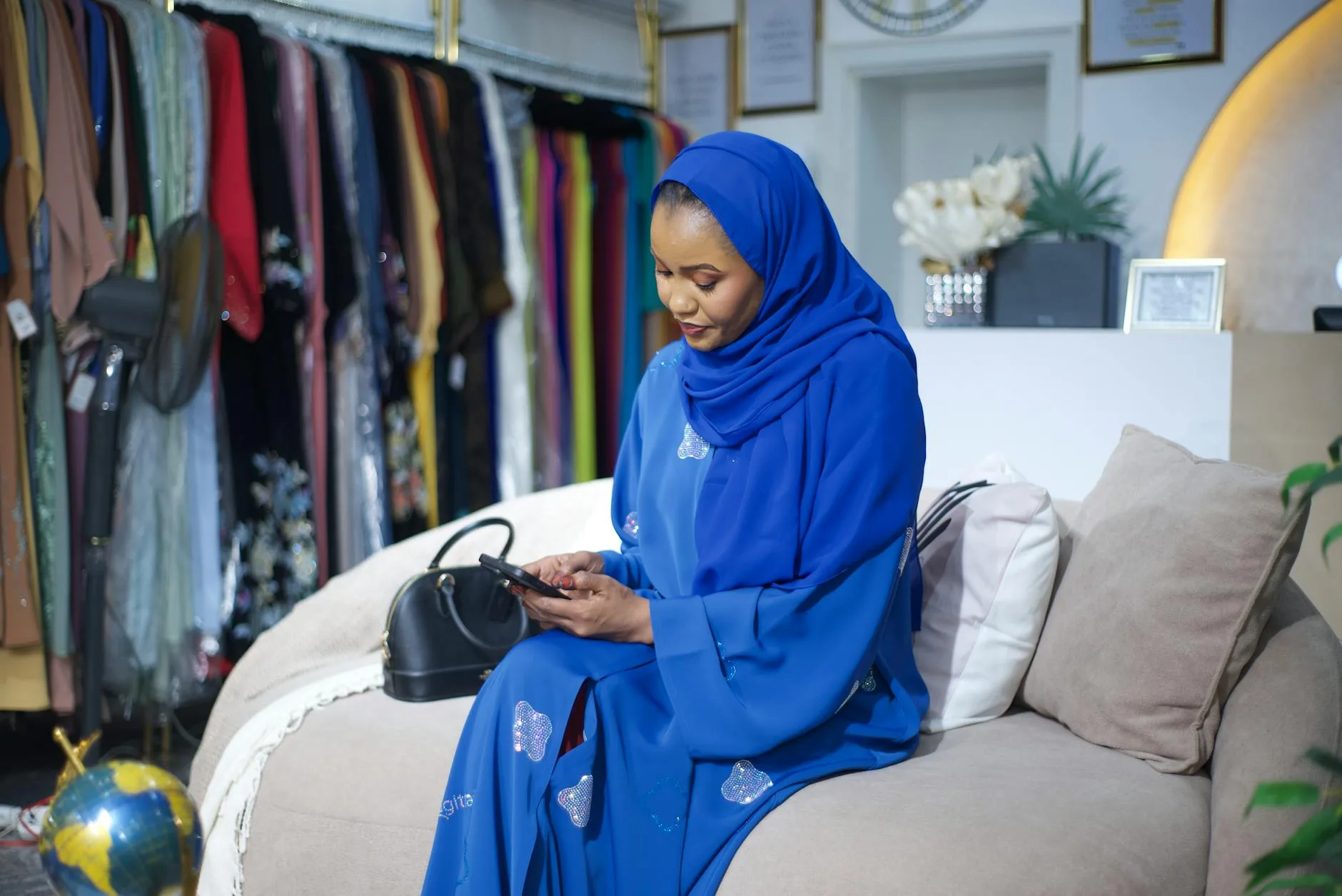
The investment in detailed sizing pays for itself. Each avoided return saves AED 25-50 in shipping, restocking, and customer service costs.
Does this sound like your store? Find out where you're leaking revenue — take the free Revenue Score. 3 minutes. Free. No pitch.
Which Ecommerce Platform Works Best for Fashion in the UAE?
Shopify for DTC. Avoid marketplace dependence.
Shopify powers the majority of independent fashion DTC brands in the UAE, with Noon.com and Amazon.ae serving as supplementary marketplaces. Noon Fashion charges 15-22% commission on apparel, which compresses margins to unsustainable levels for brands below 50% gross margin. WebMedic recommends a Shopify-first approach with marketplace listings for discovery — never as the primary channel. Ounass.com is the dominant luxury marketplace, taking 25-35% commission but offering access to the affluent GCC customer base.
Why Shopify wins for UAE fashion:
- Multi-currency (AED + SAR, KWD, BHD for GCC cross-border)
- Arabic RTL storefront support
- Tabby and Tamara BNPL integration
- Instagram Shopping and TikTok Shop integration
- AR try-on app ecosystem
- Subscription and membership capabilities for fashion
Marketplace economics:
| Platform | Commission | Fulfillment Cost | Best For |
|---|---|---|---|
| Your Shopify Store | 0% (just Shopify fees) | You control | DTC brands, full margin |
| Noon Fashion | 15-22% | Noon fulfillment optional | Mass-market discovery |
| Amazon.ae | 12-20% | FBA available | Volume, search-driven |
| Ounass.com | 25-35% | Ounass handles | Luxury and premium |
| Namshi | Partnership model | Varies | Youth and streetwear |
Sources: Platform merchant documentation, 2025-2026
List on marketplaces for visibility. Drive every possible customer to your own store for repeat purchases. That is the model.
How Do You Handle Returns Without Destroying Your Margin?
Prevent returns instead of managing them.
Fashion return rates in the UAE average 35-45% — the highest in the GCC — with "wrong size" (55%), "different from photos" (25%), and "changed my mind" (20%) as the three primary reasons, according to a 2025 MENA ecommerce returns study by Checkout.com. Brands that implement detailed size guides, 360-degree product photography, and a clear returns policy on the product page reduce returns by 8-15 percentage points. Free returns are expected by UAE shoppers — 78% will not buy from a fashion store that charges for returns.
Prevention is cheaper than processing.
- 360-degree product photography. Show the garment from every angle, on diverse body types. This alone reduces "different from photos" returns by 30-40%.
- Fabric close-ups and videos. UAE shoppers want to see texture, drape, and movement. A 10-second video of fabric in motion outperforms 5 static images.
- Honest product descriptions. "Runs small — size up if between sizes" saves returns and builds trust.
- Clear returns policy on the product page. Not hidden in the footer. Next to the size chart. 78% of UAE shoppers check the returns policy before adding to cart.
Returns logistics:
- Partner with Aramex or Fetchr for reverse logistics — both offer collect-from-door returns in UAE metro areas.
- Process returns within 48 hours. UAE shoppers expect fast refunds.
- Track return reasons and feed them back into product descriptions and size guides. This is a feedback loop, not a cost centre.
Cash on delivery compounds the problem. COD rejection rates for fashion are 12-18% in the UAE. The customer tries it on, it does not fit, they refuse delivery. You eat shipping both ways. Factor this into your pricing model from day one.
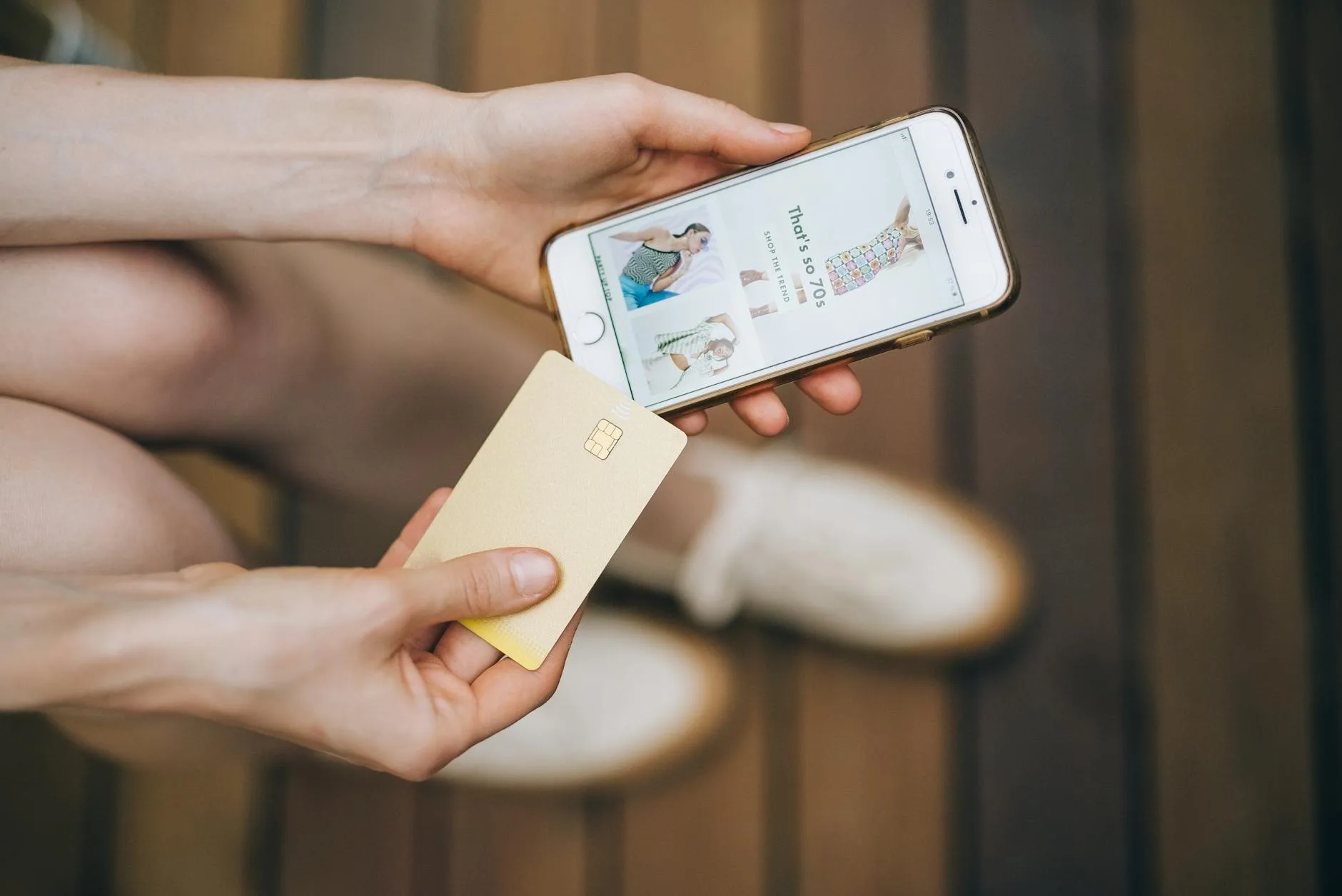
How Do You Market Fashion in the UAE?
Instagram is your runway. TikTok is your fitting room.
Instagram drives 65% of fashion discovery in the UAE, with TikTok growing to 20% in 2025, according to Meta and TikTok's MENA fashion commerce reports. White Friday (the last Friday of November) is the UAE's largest online fashion shopping day, generating 3-4x normal daily revenue for fashion ecommerce brands. Influencer collaborations with Dubai-based fashion creators deliver 2.5-4x ROAS for mid-market brands when creative features outfit styling rather than product placement.
Instagram strategy:
- Style lookbooks as carousel posts — 5-8 images showing one outfit styled different ways.
- Instagram Shopping tags on every post. UAE shoppers tap and buy directly.
- Stories for new arrivals, restock alerts, and flash sales.
- Collaborate feature with influencers for cross-audience reach.
TikTok strategy:
- "Outfit of the day" and styling challenge content.
- Behind-the-scenes of modest fashion design and production.
- TikTok Shop integration for impulse purchases.
Seasonal campaign calendar:
| Season | Focus | Content Type |
|---|---|---|
| Ramadan (varies) | Modest fashion, Eid outfits | Lookbooks, styling guides |
| White Friday (Nov) | Sales, bundles, clearance | Countdown content, deals |
| Dubai Fashion Week (varies) | Brand credibility, trends | BTS, trend reports |
| Summer (Jun-Aug) | Resort wear, tourists | Lifestyle content, travel styling |
| Back to school (Sep) | Youth fashion, uniforms | Practical styling |
Modest fashion as an export opportunity. UAE-based modest fashion brands can sell globally — the UK, US, Indonesia, Turkey, and Nigeria all have growing modest fashion demand. Your UAE store becomes the launchpad for international expansion. Build the brand locally, export digitally.
What Licensing and Compliance Do You Need for Fashion Ecommerce in the UAE?
Less regulation than beauty or food, but not zero.
Fashion ecommerce in the UAE requires a DED trade license with a "garments trading" or "online retail" activity, costing AED 12,000-20,000 for a freezone setup. Textile labelling must comply with UAE standards (country of origin, fibre composition, care instructions in Arabic and English). No specific product certification is required for standard clothing, unlike cosmetics or food. Customs duties on imported clothing are 5% CIF value for most categories.
License setup:
- DED mainland license or freezone license (DMCC, IFZA, Dubai Internet City)
- Freezone is simpler for pure ecommerce — no physical retail presence required
- Budget AED 12,000-20,000 for initial license + visa
- Annual renewal AED 8,000-15,000
Textile compliance:
- Labels must show: country of origin, fibre composition, care instructions
- Arabic + English labelling required for UAE market
- ESMA standards apply to textiles (but enforcement is lighter than for cosmetics)
Customs and import:
- 5% customs duty on imported clothing (CIF value)
- Some categories are exempt (certain children's clothing, medical garments)
- GCC-manufactured goods enter duty-free under the GCC Customs Union
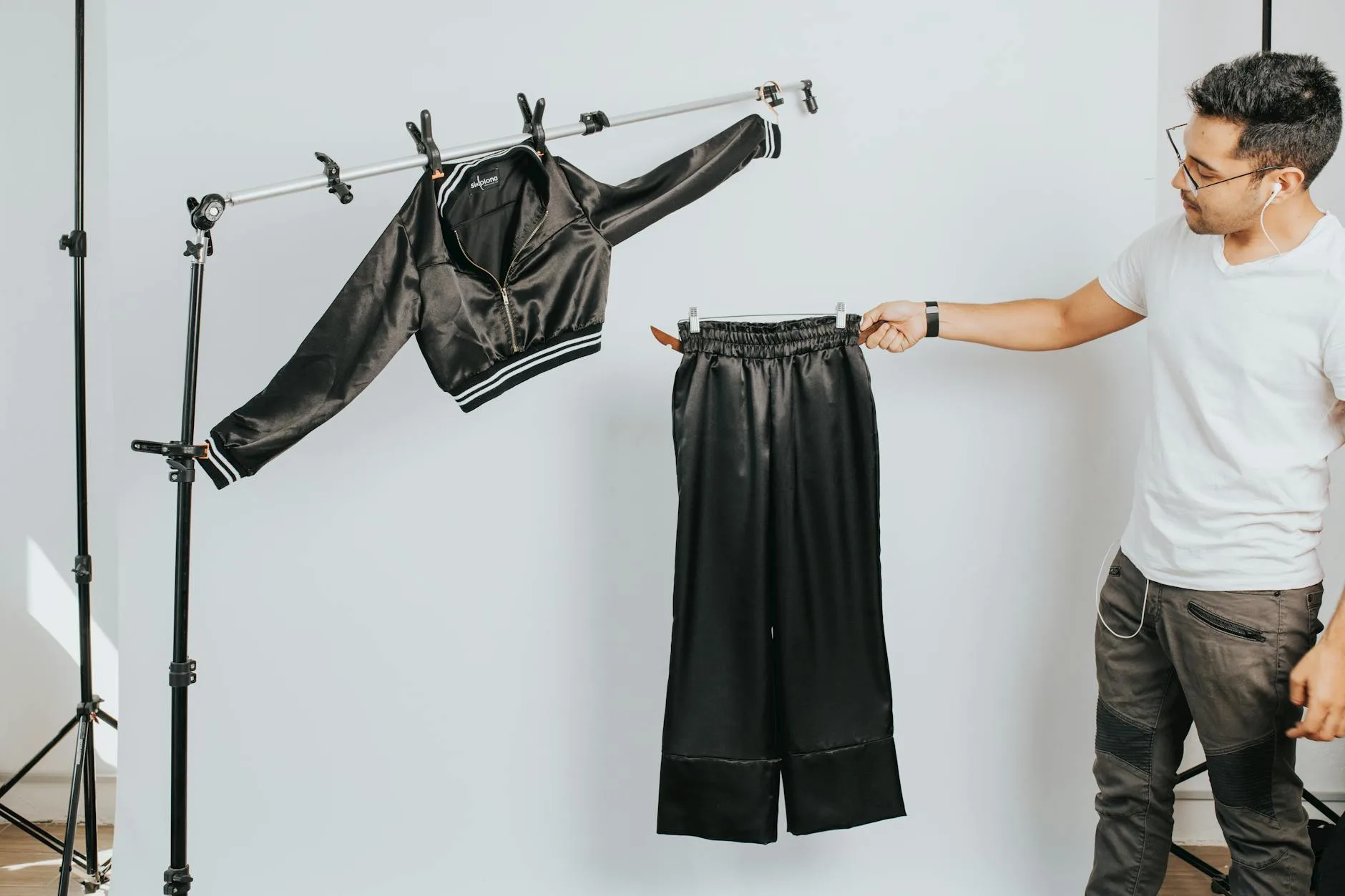
Keep compliance simple. Get the license right, label correctly, and focus your energy on product and marketing — that is where UAE fashion brands win or lose.
Frequently Asked Questions
How high are fashion return rates in the UAE?
Fashion return rates in the UAE average 35-45%, the highest in the GCC region. The primary reasons are wrong size (55%), product looking different from photos (25%), and change of mind (20%). Brands implementing detailed size guides with body measurements, 360-degree photography, and on-page returns policies reduce returns by 8-15 percentage points.
What is the biggest fashion category in UAE ecommerce?
Modest fashion and abayas represent the largest single fashion category in UAE ecommerce at 30-35% market share. Contemporary Western styles including streetwear follow at 35-40%, and luxury fashion accounts for 20-25%. The abaya sub-category has evolved from utilitarian to high-fashion, with premium embellished abayas commanding AED 500-2,000+ per piece.
Do I need a UAE license to sell clothing online from abroad?
You need a UAE trade license (DED or freezone) if you are physically operating from the UAE. International brands shipping to UAE customers from abroad do not need a local license but must comply with UAE customs regulations (5% duty on apparel) and textile labelling standards. Having a UAE entity improves customer trust and enables local payment methods like COD and Tabby.
What is White Friday and how big is it for fashion?
White Friday is the UAE's equivalent of Black Friday, falling on the last Friday of November. It generates 3-4x normal daily sales volume for fashion ecommerce brands and is the single largest online shopping day in the Middle East. Discounts of 30-70% are standard. Fashion brands should start White Friday promotion 2 weeks early and extend offers through the following weekend for maximum revenue.
Keep Reading
- Fashion Ecommerce Marketing for UAE Brands — The marketing playbook for fashion brands in Dubai and the UAE.
- Fashion & Apparel Ecommerce — Industry hub for fashion ecommerce strategy.
- Shopify UAE — Shopify development and CRO for UAE DTC brands.
- Ecommerce Website Design Dubai — Custom ecommerce design for Dubai and UAE brands.

Free Download
23 things your top competitor's store has that yours doesn't.
"I look at their store and it just looks better. We get the traffic — something's clearly off." Here are the 23 specific things they're doing.
Benchmarked across 20+ Shopify stores in beauty, fashion, food & beverage. Half the gaps close in under a week.
PDF in your inbox in 30 seconds. 1 email. No follow-up unless you ask.