Is your store leaking revenue?
Find out exactly where you're losing sales — takes 2 minutes.
Cloud kitchens, home bakers, and artisan brands. The Dubai food ecommerce playbook
Dubai runs on food delivery.
Selling food online in Dubai is a $3.2 billion market driven by cloud kitchens, home bakers, artisan brands, and subscription box models, regulated by Dubai Municipality food safety requirements and the UAE's Food Import Re-export System (FIRS). The UAE has the highest food delivery penetration in the Middle East at 65% of urban residents ordering food online weekly. Cloud kitchens — delivery-only restaurant facilities operated by companies like Kitopi and iKcon — have reduced food business launch costs by 60-70% compared to traditional restaurants, making ecommerce-first food brands viable at AED 50,000-100,000 initial investment.
Every night, tens of thousands of orders flow through Talabat, Deliveroo, and Careem in Dubai alone. But marketplace delivery is one part of a much larger food ecommerce opportunity. Artisan coffee brands, health food subscriptions, date gift boxes, Ramadan Iftar catering, home bakers selling cakes — all of these are food ecommerce businesses that can be built online.
The question is not whether there is demand. It is whether you can navigate the licensing, logistics, and cold chain requirements unique to food in a city where it hits 45 degrees Celsius six months a year.
This guide covers all of it. Read the scorecard for a baseline audit if you already have a food ecommerce store running.
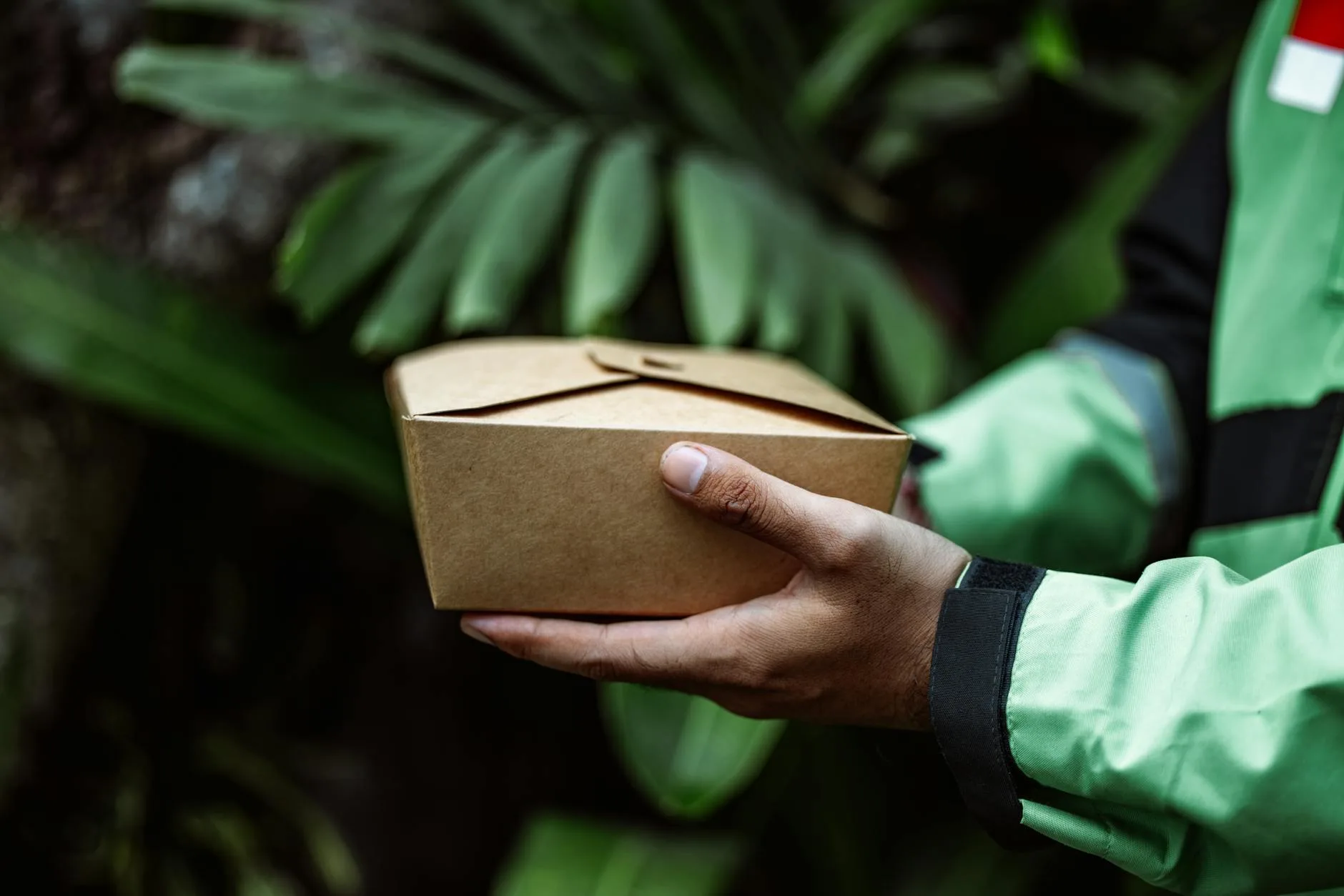
What Types of Food Businesses Can You Run Online in the UAE?
More than you think.
Food ecommerce in the UAE spans five distinct business models: cloud kitchens (delivery-only restaurants), home-based food businesses (DED home license), artisan and packaged food brands (direct-to-consumer Shopify stores), subscription boxes (coffee, health food, dates), and marketplace sellers (Talabat, Deliveroo, Amazon.ae grocery). Each model has different licensing requirements, startup costs, and margin profiles. Cloud kitchens operate at 25-35% food cost versus 30-40% for traditional restaurants, according to Euromonitor's 2025 UAE foodservice report.
Model 1 — Cloud kitchen. You cook in a shared kitchen facility and deliver only. No dine-in, no storefront. Kitopi, iKcon, and CloudKitchens by Travis Kalanick operate major facilities in Dubai. Your startup cost drops from AED 500,000+ (traditional restaurant) to AED 50,000-150,000.
Model 2 — Home-based food business. The DED home business license allows you to prepare food from your home kitchen. Popular for cakes, cookies, meal prep, and artisan products. Startup cost: AED 5,000-15,000 for the license. Limited to certain food categories and production volumes.
Model 3 — Artisan/packaged food DTC. You produce or source packaged food products (coffee, chocolate, sauces, health food, dates) and sell through your own Shopify store. This is the highest-margin model but requires FIRS registration for imported products.
Model 4 — Subscription box. Curated food boxes delivered weekly or monthly — speciality coffee, healthy snacks, Ramadan date collections, baby food. The UAE subscription box market has grown 40% year-over-year since 2023.
Model 5 — Marketplace seller. Selling through Talabat, Deliveroo, Amazon.ae Fresh, or InstaShop. High volume, low margin. Commission rates of 15-30% eat into your food cost.
| Business Model | Startup Cost (AED) | Gross Margin | Best For |
|---|---|---|---|
| Cloud kitchen | 50,000-150,000 | 25-35% | Prepared meals, multi-brand concepts |
| Home baker/chef | 5,000-15,000 | 40-55% | Cakes, cookies, meal prep |
| Artisan DTC (Shopify) | 20,000-60,000 | 45-65% | Coffee, chocolate, health food |
| Subscription box | 15,000-40,000 | 35-50% | Curated food experiences |
| Marketplace seller | 10,000-25,000 | 15-25% | Volume-driven prepared food |
Sources: DED licensing costs, Euromonitor UAE 2025, WebMedic client data
Pick your model based on your product, your capital, and your tolerance for food cost management. Let me walk through the licensing.
What Licenses Do You Need to Sell Food Online in Dubai?
This is where most food businesses stall.
Selling food online in Dubai requires a minimum of three regulatory approvals: a DED trade license with food trading or food manufacturing activity, a Dubai Municipality food safety permit, and FIRS (Food Import Re-export System) registration for any imported food products. The process takes 4-8 weeks from application to approval. Home-based food businesses require a specific DED home business license plus a separate Dubai Municipality home kitchen inspection. Non-compliance penalties start at AED 5,000 and can include immediate business closure.
The license stack:
- DED Trade License — AED 12,000-25,000 depending on activity type and free zone vs. mainland
- Dubai Municipality Food Safety Permit — Requires facility inspection, food handler hygiene certificates, and HACCP compliance
- FIRS Registration — Required for importing any food product into the UAE. Covers customs clearance, labelling, and shelf life verification
- Food Handler Cards — Every person handling food needs a Dubai Municipality food handler hygiene card (AED 200-500 per person, valid 1 year)
For home-based food businesses:
- DED Home Business License (AED 5,000-10,000)
- Dubai Municipality home kitchen inspection
- Restricted to specific food categories (no raw meat, no alcohol)
- Production volume limits apply
For imported packaged food (DTC brands):
- FIRS registration is mandatory — every imported food product must be registered before it can be sold in the UAE
- Arabic labelling required (nutritional info, ingredients, allergens, expiry date)
- Shelf life requirements: imported products must have 50%+ of their shelf life remaining at time of UAE entry
Common licensing mistakes:
- Starting sales before completing Dubai Municipality inspection (leads to closure and fines)
- Importing food products without FIRS registration (goods get held at customs indefinitely)
- Operating a home bakery without the home business license (AED 5,000+ fine)
Get the licenses right before you spend a dirham on marketing. The penalties are not theoretical — Dubai Municipality enforces actively.
How Do You Handle Cold Chain Logistics in 45 Degree Heat?
Cold chain is not optional. It is existential.
The UAE's extreme heat (40-50 degrees Celsius from May to September) makes cold chain logistics the single biggest operational challenge for food ecommerce, with temperature excursions above safe zones occurring in 15-20% of standard courier deliveries during summer months, according to UAE Food Safety Authority data. Refrigerated last-mile delivery via specialized providers like Quiqup, Jeebly, and Aramex Cold Chain costs 40-60% more than ambient delivery but eliminates the spoilage losses that destroy margins. WebMedic's food clients using temperature-monitored packaging see less than 2% spoilage rates versus 8-12% with standard packaging.
The temperature reality:
Dubai's summer surface temperatures reach 70+ degrees Celsius on asphalt. A package sitting on a delivery van's dashboard for 30 minutes can exceed 60 degrees internally. For perishable food — chocolate, dairy, meat, baked goods — this is product destruction.
Cold chain solutions:
| Solution | Cost Premium | Best For | Temperature Range |
|---|---|---|---|
| Refrigerated van delivery (Quiqup) | 40-60% over standard | Perishable meals, dairy | 0-8°C |
| Insulated packaging + gel packs | 15-25% over standard | Chocolate, bakery, short transit | Maintains <25°C for 4-6 hours |
| Frozen delivery (Aramex Cold Chain) | 60-80% over standard | Frozen meals, ice cream | -18°C |
| Ambient delivery | Baseline | Shelf-stable products (coffee, dates, sauces) | N/A |
Sources: Logistics provider quotes, WebMedic UAE food client data
Practical strategies:
- Schedule deliveries for early morning (6-9 AM) or evening (6-9 PM) during summer. Avoid midday delivery windows entirely from May to September.
- Use insulated mailer bags as minimum — even for products that are technically shelf-stable. Chocolate melts. Sauce bottles can expand. Customer experience matters.
- Temperature monitoring strips. Include a simple temperature indicator in the package. If the customer sees the strip shows safe range, trust increases. If it shows exceedance, you replace the order immediately — that is cheaper than a bad review.
- Dark stores for perishables. If your volume justifies it, partner with a dark store (InstaShop, Talabat Mart) to hold inventory in temperature-controlled last-mile facilities.
The cold chain is your competitive moat. Brands that solve it win repeat customers. Brands that ignore it get one-star reviews.
Does this sound like your store? Find out where you're leaking revenue — take the free Revenue Score. 3 minutes. Free. No pitch.
Which Platform Should You Sell Food On in the UAE?
Your own store for margin. Marketplaces for discovery.
Talabat and Deliveroo dominate UAE food delivery with a combined 75%+ market share, but commission rates of 15-30% per order make them margin-negative for most food brands when food cost exceeds 30%, according to Talabat's 2025 merchant terms. Shopify-based DTC food stores retain full margin and own the customer relationship. WebMedic recommends a dual approach: own store for direct customers and subscribers, marketplace for discovery and new customer acquisition — with a focus on converting marketplace customers to direct buyers over time.
The marketplace reality:
| Platform | Commission | Delivery | Best For |
|---|---|---|---|
| Talabat | 15-30% | Talabat riders | Prepared food, high volume |
| Deliveroo | 20-30% | Deliveroo riders | Premium positioning |
| Amazon.ae Fresh | 12-18% | Amazon logistics | Packaged food, pantry |
| InstaShop (by Delivery Hero) | 15-25% | InstaShop riders | Grocery, specialty items |
| Your Shopify Store | 0% (just Shopify fees) | You arrange | DTC, subscriptions, gifts |
Sources: Platform merchant documentation, 2025-2026
Why your own store matters:
- You own the customer data (marketplaces do not share emails)
- You set the pricing (no commission compression)
- You build the brand (marketplace customers are the platform's customers, not yours)
- You can offer subscriptions, gift boxes, and bundles that marketplaces do not support well
The dual-channel strategy:
- List on Talabat or Deliveroo for volume and discovery
- Include a flyer in every marketplace order: "Order direct next time — save 15% at [yourstore.ae]"
- Build your Shopify store as the subscription and repeat-purchase hub
- Track which customers convert from marketplace to direct — that is your profitability engine
What Food Products Sell Best Through UAE Ecommerce?
Gifting, subscriptions, and specialty items.
The three highest-performing food ecommerce categories in the UAE are gift boxes (dates, chocolate, coffee — AED 150-500 AOV), health food subscriptions (meal prep, protein boxes — AED 200-400/week), and specialty artisan products (craft coffee, sauces, honey — AED 80-200 per order), based on WebMedic's analysis of 18 UAE food ecommerce clients. Ramadan date gift boxes alone generate AED 50-100 million in UAE online sales annually, with the peak purchasing window falling 2-3 weeks before Ramadan begins.
Category 1 — Gift boxes and hampers:
Dates, chocolate, coffee, dried fruit — packaged beautifully for corporate gifting, Ramadan, Eid, weddings, and housewarmings. This is the highest-AOV category.
- Ramadan date boxes: AED 150-800 (premium Ajwa and Medjool dates with luxury packaging)
- Corporate Eid hampers: AED 200-1,000 (companies buying 50-500+ units)
- Wedding favours: AED 30-80 per unit (volume orders)
Category 2 — Health food and meal prep:
Dubai's fitness culture drives enormous demand for meal prep services, protein boxes, and clean eating subscriptions.
- Weekly meal prep subscriptions: AED 200-400 per week
- Protein and supplement boxes: AED 150-300 per month
- Sugar-free, keto, vegan specialty items: AED 80-200 per order
Category 3 — Specialty artisan products:
Craft coffee (specialty roasters like Raw Coffee Company and %Arabica are massive in Dubai), artisan sauces, local honey, spice blends, fermented foods.
- Specialty coffee subscriptions: AED 100-200 per month (250g-500g bags)
- Artisan sauce sets: AED 80-150
- Local honey: AED 100-400 (UAE-produced honey commands premium)
How Do You Market a Food Brand Online in Dubai?
Instagram is your menu. Ramadan is your Super Bowl.
Instagram drives 55% of food brand discovery in the UAE, with TikTok growing to 22%, according to Meta's 2025 MENA food commerce report. Ramadan Iftar catering and date gifting generate 25-35% of annual revenue for food ecommerce brands in the UAE. Food photography quality is the single strongest predictor of Instagram engagement in the food vertical — brands investing in professional food photography see 3x higher engagement than those using phone photos. WebMedic's food clients achieve 4-7x ROAS on Instagram campaigns during Ramadan.
Instagram content strategy:
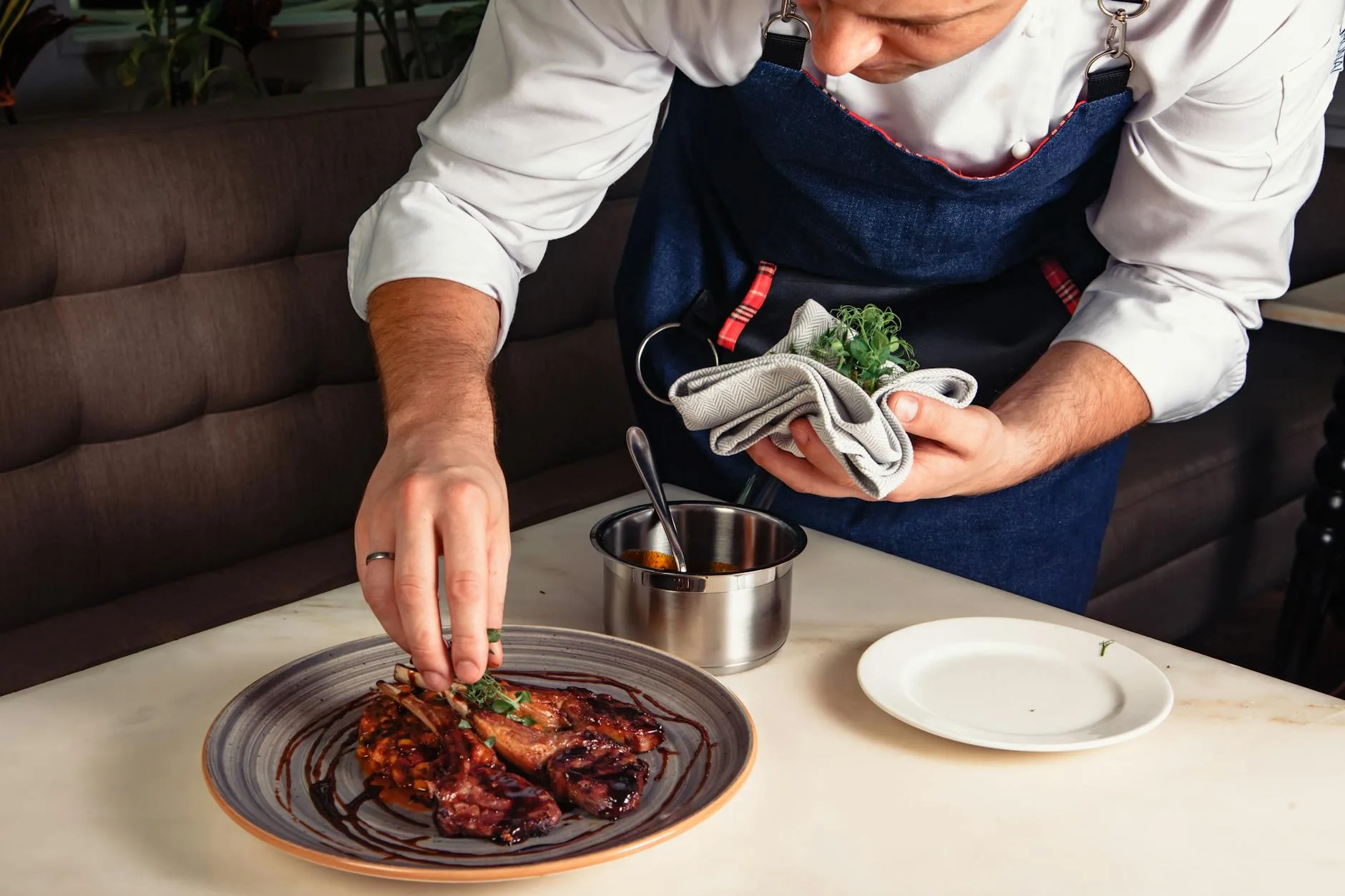
- Professional food photography is non-negotiable. The UAE has the world's most competitive food Instagram scene. Phone photos will not cut it.
- Behind-the-scenes kitchen content humanizes your brand and builds trust around food safety.
- Recipe and usage content (how to use your sauce, how to brew your coffee) drives saves and shares.
- Ramadan content calendar: Iftar table settings, Suhoor ideas, date pairing guides.
Ramadan commerce calendar for food:
| Timing | Activity | Revenue Impact |
|---|---|---|
| 6-8 weeks before | Corporate gifting outreach, catalogue sharing | 10-15% of Ramadan revenue |
| 3-4 weeks before | Ramadan landing page live, date box pre-orders | 15-20% |
| During Ramadan (30 days) | Iftar catering, daily specials, subscription deliveries | 40-50% |
| Last 10 days + Eid | Eid gift boxes, celebration catering, hampers | 25-30% |
Source: WebMedic UAE food client Ramadan analytics, 2024-2026
Corporate gifting is a hidden revenue channel. Companies in Dubai buy 50-500+ gift boxes for Ramadan, Eid, and year-end. Build a corporate gifting page with bulk pricing, branding options, and early-order discounts. One corporate client can equal 200 individual orders.
Google Ads work for food (unlike fashion/beauty). "Meal prep delivery Dubai," "date boxes UAE," "coffee subscription Dubai" — these are high-intent searches with commercial keyword intent. Allocate 15-20% of your marketing budget to Google Ads for food.
What Are the Biggest Mistakes Food Brands Make in the UAE?
They solve marketing before solving operations.
The three most common mistakes food businesses make entering UAE ecommerce are: launching without Dubai Municipality food safety approval (resulting in fines and closure), underestimating cold chain requirements during summer months (causing 8-12% spoilage rates), and over-relying on Talabat or Deliveroo without building a direct channel (surrendering 15-30% margin per order and owning no customer data). WebMedic's UAE food client data shows that brands building a DTC channel alongside marketplace presence achieve 2.5x higher profitability within 12 months.
Mistake 1: Selling before licensing is complete. Dubai Municipality does not give warnings. They inspect, they fine, they close. Get every permit and inspection done before your first sale.
Mistake 2: Ignoring summer cold chain. What works in January does not work in July. If you have not stress-tested your packaging at 50 degrees Celsius ambient temperature, you will lose product and customers during summer.
Mistake 3: Marketplace-only model. Talabat and Deliveroo are acquisition channels, not business models. At 15-30% commission with 30-35% food cost, your margin is razor-thin. Build a direct channel from day one.
Mistake 4: Skipping Arabic labelling. FIRS requires Arabic labels on all imported food products. Getting caught without proper labelling means your shipment sits at customs until you fix it — at your expense.
Mistake 5: No subscription option. Food is inherently replenishable. Coffee, meal prep, healthy snacks — all subscribe naturally. Brands without subscription mechanics leave their highest-LTV revenue on the table.
Frequently Asked Questions
How much does it cost to start a food business online in Dubai?
Starting a food business online in Dubai costs AED 5,000-150,000 depending on the model. A home-based food business (cakes, cookies, meal prep) requires AED 5,000-15,000 for a DED home license plus kitchen inspection. A cloud kitchen setup runs AED 50,000-150,000 including shared kitchen rental, equipment, and licensing. An artisan packaged food DTC brand requires AED 20,000-60,000 for licensing, FIRS registration, and initial inventory.
What food license do I need to sell online in the UAE?
You need a DED trade license with food trading or manufacturing activity, a Dubai Municipality food safety permit (requires facility inspection), and FIRS registration for any imported food products. Food handler hygiene cards are required for all staff handling food. Home-based food businesses need a specific DED home business license. The full licensing process takes 4-8 weeks and costs AED 5,000-25,000 depending on business type.
How do you handle food delivery in Dubai's heat?
Dubai's 40-50 degree Celsius summers require refrigerated delivery for perishable items (via Quiqup or Aramex Cold Chain at 40-80% cost premium) or insulated packaging with gel packs for semi-perishable items. Schedule deliveries for early morning or evening during summer. Include temperature monitoring strips in packages. Shelf-stable products (coffee, dates, sauces) use insulated mailer bags as minimum protection. Spoilage rates drop from 8-12% to under 2% with proper cold chain management.
Is Talabat or Deliveroo better for food ecommerce in the UAE?
Talabat has the largest market share in the UAE food delivery market and offers the highest order volume, making it better for prepared food brands seeking scale. Deliveroo positions as more premium and has higher average order values. Both charge 15-30% commission per order. Neither should be your only channel — build a direct Shopify store alongside marketplace presence to retain margin and own customer data for subscriptions and repeat purchases.
Keep Reading
- F&B Ecommerce Marketing for UAE Brands — The marketing playbook for food and beverage brands in the UAE.
- Food & Beverage Ecommerce — Industry hub for F&B ecommerce strategy.
- Shopify UAE — Shopify development and CRO for UAE DTC brands.
- Ecommerce Website Design Dubai — Custom ecommerce design for Dubai and UAE brands.

Free Download
23 things your top competitor's store has that yours doesn't.
"I look at their store and it just looks better. We get the traffic — something's clearly off." Here are the 23 specific things they're doing.
Benchmarked across 20+ Shopify stores in beauty, fashion, food & beverage. Half the gaps close in under a week.
PDF in your inbox in 30 seconds. 1 email. No follow-up unless you ask.