
Is your store leaking revenue?
Find out exactly where you're losing sales — takes 2 minutes.
Commission rates, requirements, and what actually earns referrals
What Is the Shopify Affiliate Program?
It pays you to refer merchants.
The Shopify affiliate program is a referral program that pays commissions when someone you refer signs up for a paid Shopify plan. Affiliates earn a one-time commission averaging $150 per qualified referral, according to Shopify's official affiliate terms. The program is free to join, has no cap on earnings, and is separate from the Shopify Partner Program — which pays recurring revenue instead.
Most people confuse the affiliate program with the partner program. They are different tracks with different payout structures. The affiliate program is simpler: you send traffic, someone subscribes, you get paid once. The partner program is for developers and agencies who build stores and earn recurring commissions.
We run a Shopify agency in Malaysia. We have referred dozens of merchants to Shopify through both tracks. This post covers the affiliate program specifically — what it pays, who qualifies, and the strategies that actually generate referrals.

How Much Does the Shopify Affiliate Program Pay?
The numbers are straightforward.
Shopify affiliates earn a one-time commission of up to $150 for each referred merchant who activates a paid plan, based on Shopify's published affiliate terms as of 2026. Commissions vary by plan tier — Basic Shopify referrals pay less than Shopify Plus referrals. Shopify Plus affiliate referrals can earn up to $2,000 per merchant through the separate Shopify Plus partner track.
Here is the commission breakdown by plan tier:
| Shopify Plan | Monthly Price (USD) | Estimated Affiliate Commission | Cookie Duration |
|---|---|---|---|
| Basic | $39/month | ~$58–$150 | 30 days |
| Shopify | $105/month | ~$58–$150 | 30 days |
| Advanced | $399/month | ~$58–$150 | 30 days |
| Shopify Plus | $2,300+/month | Up to $2,000 (partner track) | 30 days |
Source: Shopify Affiliate Program — commission amounts are approximations based on Shopify's published "up to $150" per referral structure. Exact amounts depend on the merchant's location and plan.
A few things to note. First, the 30-day cookie window means the referred user must sign up and activate a paid plan within 30 days of clicking your link. Second, commissions only trigger on paid plan activation — free trials do not count. Third, Shopify pays via PayPal or direct deposit, with a minimum threshold of $10 before payout.
The real money is not in one-off referrals. It is in building a system that generates consistent referrals month after month. Let me explain.
Who Qualifies for the Shopify Affiliate Program?
Not everyone gets accepted.
Shopify accepts affiliate applicants who own an active website, blog, or social media channel with an established audience, according to Shopify's affiliate application page. Applicants need to demonstrate they can drive relevant traffic — Shopify reviews each application manually. Approval rates are not published, but industry forums suggest 40–60% of first-time applicants are accepted (based on aggregated Affiliate Marketing Hub data, 2025).
Here are the requirements:
Minimum Requirements
- Own and operate a website, blog, YouTube channel, or social media account
- Have an established audience (no empty or brand-new sites)
- Create original content related to ecommerce, entrepreneurship, or Shopify
- Be comfortable with Shopify's affiliate terms and disclosure requirements
- Not already be a Shopify Partner (the programs are mutually exclusive for commission purposes)
What Gets Applications Rejected
- Websites with no traffic or thin content
- Coupon and deal sites (Shopify specifically discourages these)
- Applications that do not clearly explain the promotion strategy
- Sites in unrelated niches with no ecommerce relevance
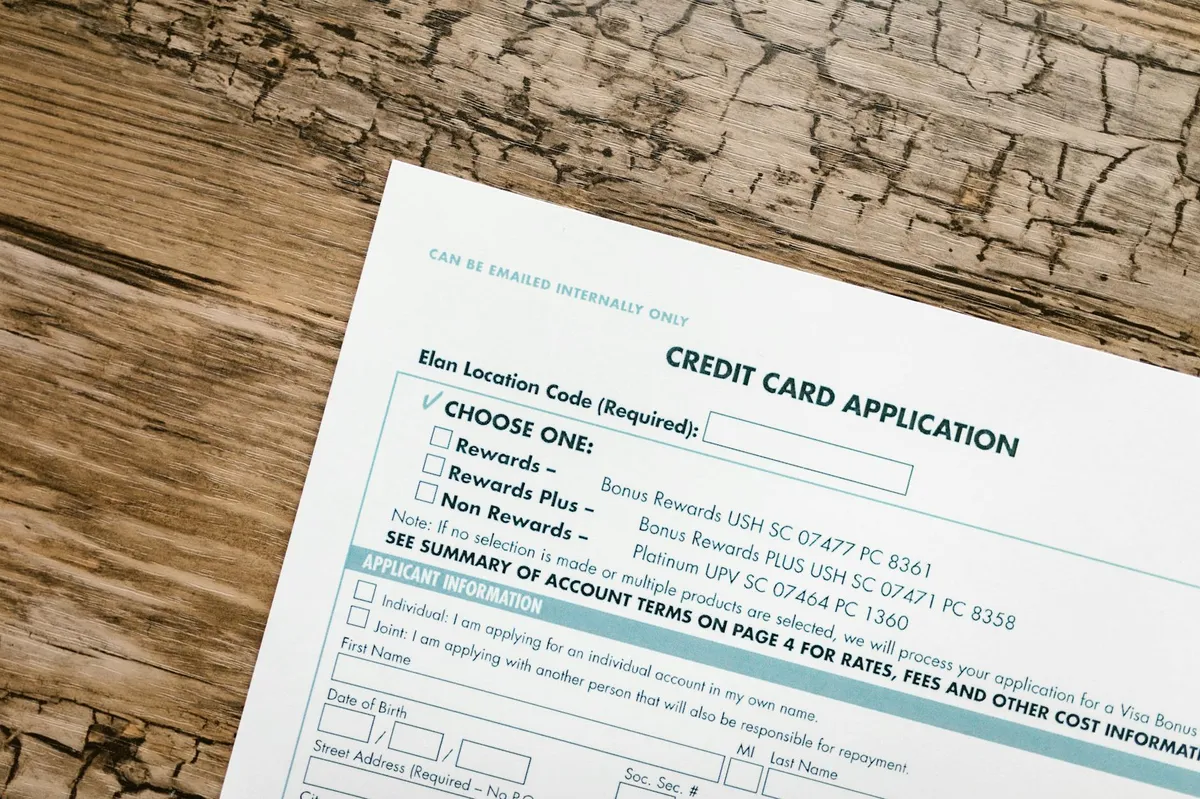
The application itself takes about ten minutes. Shopify asks for your website URL, your promotion strategy, and your audience size. They review manually — expect 5–15 business days for a decision.
How Do You Apply to the Shopify Affiliate Program?
Five steps, ten minutes.
Applying to the Shopify affiliate program requires visiting shopify.com/affiliates, completing the application form with your website URL and promotion strategy, and waiting 5–15 business days for manual review. Shopify uses Impact as its affiliate network — once approved, you manage links, track clicks, and request payouts through the Impact dashboard, not Shopify admin.
Step-by-Step Application
- Go to shopify.com/affiliates — click "Become a Shopify Affiliate"
- Create an Impact account — Shopify uses Impact (formerly Impact Radius) as the affiliate network. You will need to create an account or log into an existing one
- Fill in your details — website URL, traffic sources, content type, audience size, and how you plan to promote Shopify
- Describe your promotion strategy — be specific. "I will write blog posts" is weak. "I publish weekly ecommerce tutorials to 15,000 email subscribers and 8,000 YouTube viewers" is strong
- Submit and wait — Shopify reviews every application. You will receive an email confirmation and a follow-up with the decision
Once approved, you get access to the Impact dashboard where you can generate tracking links, view click-through data, monitor conversions, and manage payouts.
Shopify Affiliate vs Shopify Partner: Which Should You Choose?
This is the question most people skip — and it costs them.
| Feature | Shopify Affiliate | Shopify Partner |
|---|---|---|
| Commission Type | One-time per referral | Recurring (20% monthly) |
| Payout per Merchant | Up to $150 once | ~$7.80–$79.80/month ongoing |
| Best For | Content creators, bloggers | Agencies, developers, consultants |
| Requires Technical Skills | No | Yes (store setup, theme dev) |
| Access to Dev Stores | No | Yes |
| Managed Through | Impact dashboard | Shopify Partner Dashboard |
| Break-Even Point | Immediate | ~2–19 months |
Source: Shopify Partner Program terms and Shopify Affiliate Program terms, 2026
If you create content and send traffic, the affiliate program is the right choice. If you build Shopify stores for clients — like we do at WebMedic — the partner program pays more over time because of the recurring revenue share.
The partner program's 20% recurring commission means a single Basic Shopify referral ($39/month) earns you roughly $7.80/month. After 20 months, that one referral has earned you $156 — roughly the same as the one-time affiliate commission. But after 36 months, it has earned you $280. The math compounds.
For agencies and consultants building ecommerce businesses, the partner track is almost always better.
What Are the Best Strategies to Earn Shopify Affiliate Commissions?
Most affiliates earn nothing.
The top 10% of Shopify affiliates generate 80% of total referral revenue, according to Impact's affiliate benchmarking data (2025). The highest-earning strategies are SEO-optimized comparison content (Shopify vs competitors), YouTube tutorials, and email-based ecommerce courses. Affiliates who create "how to start an online store" content with embedded Shopify links convert at 3–5x the rate of banner ads or social media posts.
Here is what works, ranked by conversion rate from our observations and industry data:
1. Comparison and Review Content
"Shopify vs WooCommerce," "Shopify vs Wix for ecommerce," "Best ecommerce platform for beginners." These search queries carry high commercial intent. Someone searching "Shopify vs WooCommerce" is already deciding between platforms — they just need a push.
Write honest comparisons. Include pricing tables, feature comparisons, and specific use cases. We published a comparison post that consistently drives organic traffic because it answers a question people are actively searching.
2. "How to Start" Tutorials
Step-by-step guides on starting an online store convert well because the reader's next action is literally signing up for a platform. "How to start a Shopify store in Malaysia" or "How to sell online in Singapore" — these queries match the affiliate funnel perfectly.
The key is embedding your affiliate link at the natural decision point: after you have explained what Shopify is and why it fits, right when the reader is ready to sign up.
3. YouTube Walkthroughs
Video tutorials showing how to set up a Shopify store have some of the highest conversion rates in affiliate marketing. A 15-minute walkthrough where you screen-share the Shopify setup process gives the viewer confidence to sign up using your link.
YouTube affiliate content has a longer shelf life than blog posts in many cases — a well-ranked tutorial video can generate referrals for 2–3 years.
4. Email Courses and Lead Magnets
Build a free email course: "7 Days to Your First Online Store." Each email guides the subscriber closer to launching. Day 3 or 4 introduces Shopify as the platform recommendation with your affiliate link. This approach works because by Day 3, the subscriber trusts your guidance.
Does this sound like your store? Find out where you're leaking revenue — take the free Revenue Score. 3 minutes. Free. No pitch.
5. Niche Resource Pages
Create resource pages for specific audiences. "Best tools for handmade jewelry sellers" or "Ecommerce stack for food and beverage brands." Include Shopify as the platform recommendation alongside complementary tools. These pages rank for long-tail keywords and convert at higher rates because the recommendation feels curated, not promotional.
What Mistakes Do Shopify Affiliates Make?
The same ones, repeatedly.
The three most common Shopify affiliate mistakes are: promoting without disclosure (violating FTC guidelines, which require clear affiliate disclosure on every page containing affiliate links), relying on banner ads instead of content-driven referrals (banner ads convert at 0.1% vs 2–5% for content-embedded links, per Awin's 2025 affiliate benchmarks), and targeting broad keywords instead of high-intent commercial queries.
Mistake 1: No FTC Disclosure
The FTC requires clear disclosure whenever you earn commissions from recommendations. "This post contains affiliate links" is the minimum. Shopify's affiliate terms also require this. Failing to disclose can get you removed from the program and, in rare cases, fined.
Mistake 2: Relying on Banner Ads
Placing Shopify banner ads in your sidebar converts at roughly 0.1%. Writing a detailed comparison post with contextual affiliate links converts at 2–5%. The difference is 20–50x. Every banner you place instead of creating content is revenue you are leaving behind.
Mistake 3: Targeting the Wrong Keywords
"Shopify" as a keyword is dominated by Shopify's own site. You will never rank for it. Target comparison and long-tail keywords instead:
- "shopify vs squarespace for small business"
- "best ecommerce platform for [niche]"
- "how to start selling [product type] online"
These keywords have real volume, lower competition, and higher commercial intent. This is the same principle we apply in our ecommerce marketing strategies — target the intent, not the brand name.
Mistake 4: Not Tracking Performance
The Impact dashboard gives you click data, conversion data, and earnings by link. If you are not checking which content generates referrals, you are guessing. Review your top-performing links monthly and double down on what converts.

How Long Does It Take to Earn Money as a Shopify Affiliate?
Longer than most people expect.
Most Shopify affiliates earn their first commission within 2–6 months of publishing content, based on typical SEO timelines for new content to rank (Ahrefs data shows the average top-10 ranking page is 2+ years old, but low-competition affiliate keywords can rank in 60–90 days). Affiliates who use email lists or existing YouTube audiences can earn within the first 30 days because they skip the SEO waiting period.
The timeline depends on your traffic source:
| Traffic Source | Time to First Commission | Monthly Earning Potential (12 months) |
|---|---|---|
| Existing email list (5,000+) | 1–4 weeks | $300–$1,500 |
| YouTube channel (1,000+ subs) | 2–8 weeks | $200–$1,000 |
| SEO blog content (new site) | 3–6 months | $150–$2,000 |
| SEO blog content (established site) | 1–3 months | $500–$5,000 |
| Social media only | 1–6 months | $50–$300 |
| Paid advertising | Immediate (if ROI positive) | Varies widely |
Estimates based on aggregated affiliate marketing benchmarks from Impact, Awin, and WebMedic's observations of affiliate content performance
The pattern is clear: owned audiences (email, YouTube) convert fastest. SEO content takes longer but compounds. Social media alone is the weakest channel for affiliate conversions because the intent is low.
If you are building an ecommerce business plan, affiliate income from Shopify referrals can be a legitimate side revenue stream. But it is not a get-rich-quick play. The affiliates who earn $5,000+/month have been publishing content consistently for 12–24 months.
How Does the Shopify Affiliate Program Compare to Competitors?
Shopify pays well, but it is not the only option.
Shopify's one-time commission of up to $150 per referral is competitive but not the highest in ecommerce platform affiliate programs. BigCommerce pays 200% of the referred customer's first monthly payment (up to $1,500 for enterprise plans), while WooCommerce's affiliate program through hosting partners like Bluehost pays $65–$150 per referral. Shopify's advantage is volume — with 4.6 million live stores (BuiltWith, 2026), brand recognition drives higher conversion rates.
| Platform | Commission Structure | Average Payout | Cookie Duration | Conversion Advantage |
|---|---|---|---|---|
| Shopify | Up to $150 one-time | ~$58–$150 | 30 days | Highest brand recognition |
| BigCommerce | 200% of first monthly payment | ~$60–$1,500 | 90 days | Higher per-referral ceiling |
| Wix | $100 per premium sale | $100 | 30 days | Easier sell for beginners |
| Squarespace | Varies by region | ~$100–$200 | 45 days | Strong design positioning |
| WooCommerce (via hosts) | $65–$150 per hosting signup | ~$65–$150 | 30–90 days | Targets self-hosted audience |
Sources: Official affiliate program pages for each platform, 2026
Shopify wins on conversion rate because of brand awareness. When you recommend Shopify, most readers have already heard of it. That familiarity reduces friction. With lesser-known platforms, you spend half your content explaining what the platform is before you can make the case.
For this reason, most ecommerce content creators earn more total revenue from Shopify affiliates even though the per-referral payout is not always the highest. Volume multiplied by a decent commission beats a high commission multiplied by low volume.
Frequently Asked Questions
How much do Shopify affiliates earn per referral?
Shopify affiliates earn a one-time commission of up to $150 for each referred merchant who signs up for a paid plan. The exact amount varies by plan tier and the merchant's location. Shopify Plus referrals through the partner track can earn up to $2,000 per merchant, but this requires a separate application through the Shopify Partner Program.
Is the Shopify affiliate program free to join?
The Shopify affiliate program is completely free to join with no upfront costs or fees. Applicants need an active website, blog, or social media presence with an established audience. Shopify reviews each application manually through the Impact affiliate network, with decisions typically taking 5–15 business days after submission.
What is the difference between a Shopify affiliate and a Shopify Partner?
Shopify affiliates earn a one-time commission (up to $150) per referred merchant, while Shopify Partners earn a 20% recurring monthly commission on referred merchants' subscription fees. The affiliate program suits content creators and bloggers; the partner program suits agencies and developers who build stores. The two programs are managed through separate dashboards — Impact for affiliates, Shopify Partner Dashboard for partners.
Can you do Shopify affiliate marketing from Malaysia or Singapore?
Shopify's affiliate program accepts applicants globally, including from Malaysia and Singapore. Payouts are processed in USD through PayPal or direct deposit. Malaysian and Singaporean affiliates can earn commissions by referring merchants from any country — there are no geographic restrictions on which markets your referrals can come from.
How long does the Shopify affiliate cookie last?
The Shopify affiliate cookie lasts 30 days from the initial click. If a referred visitor signs up for a free trial and converts to a paid plan within that 30-day window, the affiliate earns the commission. If the visitor converts after 30 days, the referral is not tracked. This is standard for ecommerce platform affiliate programs — BigCommerce offers 90 days, while Wix and Shopify both use 30-day windows.
Keep Reading
Ready to grow?
Find out exactly where your store is leaking revenue.
Answer a quick set of multiple-choice questions and we'll pinpoint your biggest revenue leaks — and whether we can help plug them.
Find Your Revenue LeaksFree · No obligation · 2 minutes