Is your store leaking revenue?
Find out exactly where you're losing sales — takes 2 minutes.
Which pricing model fits your store, and which one is quietly killing your margins
What Is an Ecommerce Pricing Strategy?
Most stores guess.
An ecommerce pricing strategy is a systematic method for setting product prices based on costs, customer value, competition, or market dynamics. McKinsey research shows that a 1% improvement in pricing yields an 8.7% increase in operating profit — more than any other lever including volume or cost reduction. The right model depends on your category, margin structure, and competitive density.
That 8.7% figure matters because most Shopify store owners obsess over traffic and conversion rate. Pricing gets set once and forgotten. We see this in nearly every audit at WebMedic — stores spending RM5,000/month on ads while leaving 15-25% margin on the table through lazy pricing.
There are seven pricing models worth knowing. Not all of them fit every store. Some protect margins. Others destroy them slowly. Let me walk through each one.

Which 7 Pricing Models Work for Ecommerce?
Pick the wrong model. Watch margins bleed.
The seven ecommerce pricing models are cost-plus, value-based, competitive, dynamic, penetration, bundle, and psychological pricing. According to a ProfitWell study, companies using value-based pricing grow 2x faster than those using cost-plus. But each model has specific conditions where it outperforms — and conditions where it fails.
Here is how they compare side by side.
| Model | How Price Is Set | Best For | Typical Margin Impact | Risk Level |
|---|---|---|---|---|
| Cost-Plus | Cost + fixed markup % | Commodities, high-volume basics | Stable but low (20-35%) | Low |
| Value-Based | Customer perceived value | Branded/unique products, DTC | High (40-70%+) | Medium |
| Competitive | Match or undercut rivals | Crowded categories, marketplaces | Thin (10-25%) | High |
| Dynamic | Real-time demand signals | Fashion, seasonal, perishable | Variable (15-50%) | Medium |
| Penetration | Below market to gain share | New product launches, new markets | Negative to low initially | High |
| Bundle | Combined products at discount | Complementary SKUs, consumables | Higher per-order (30-50%) | Low |
| Psychological | Anchoring, charm pricing | All categories (layered on top) | +2-8% lift on top of base model | Low |
Sources: ProfitWell, McKinsey Pricing Practice, WebMedic client data (2024-2026)
No single model wins every time. Most profitable stores we work with use two or three in combination. Let me break each one down.
How Does Cost-Plus Pricing Work in Ecommerce?
It is the default. That is the problem.
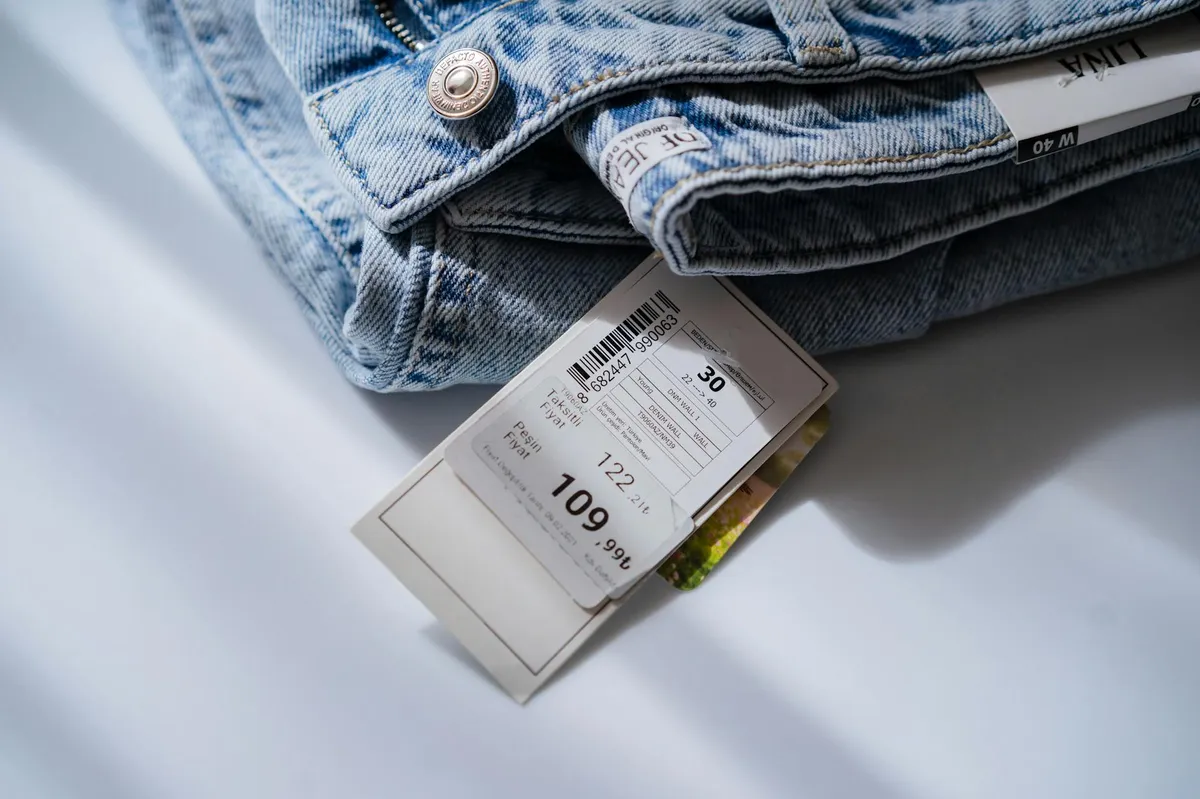
Cost-plus pricing adds a fixed percentage markup to your product cost — typically 50-100% for ecommerce. While simple to calculate, Harvard Business Review notes it ignores customer willingness to pay, leaving an average of 18-25% revenue on the table. It works for commodity products where differentiation is minimal.
Here is the formula: landed cost (product + shipping + duties) multiplied by your markup. A product that costs RM40 with a 2x markup sells for RM80. Clean and simple.
The appeal is obvious. No research required. No competitive analysis. No customer interviews. Just math.
The problem is equally obvious. You are pricing based on what things cost you — not what they are worth to the buyer. A RM40 moisturiser that clears eczema in two weeks is worth far more than RM80 to someone who has tried six other products.
When cost-plus works
- Commodity products with no meaningful differentiation
- High-volume, low-touch operations (think phone cases, basic accessories)
- When you need pricing consistency across hundreds of SKUs and lack the data for anything smarter
When it fails
- Branded products where perceived value exceeds cost
- Categories with wide price dispersion
- Any product where you can tell a compelling story
Use the Product Pricing Calculator to model your cost-plus margins against value-based alternatives. The gap is usually eye-opening.
Why Is Value-Based Pricing the Most Profitable Model?
Because customers pay for outcomes, not inputs.
Value-based pricing sets prices according to what the product is worth to the customer, not what it costs to produce. Simon-Kucher & Partners research across 1,700+ companies found that value-based pricers achieve 24% higher margins than cost-based pricers. For Shopify DTC brands, this means pricing against the alternative the customer would use — not against your landed cost.
We had a client selling handmade leather wallets at RM120. Landed cost was RM35. They thought a 3.4x markup was aggressive.
We reframed the value. Their wallets last 8-10 years. A fast-fashion wallet lasts 12 months. Over a decade, the customer spends RM120 once versus RM600 on replacements. We repositioned the product page around the cost-per-year angle, raised the price to RM160, and conversion rate barely moved. Revenue per visitor increased 31%.
That is value-based pricing in practice. You are not competing with other wallets at RM120. You are competing with the lifetime cost of inferior alternatives.
This is the model we cover in depth in our product pricing strategy guide. If you sell anything branded, unique, or with a story behind it, this is where you start.
How Does Competitive Pricing Affect Your Margins?
It is a race you do not want to win.
Competitive pricing sets your prices relative to competitors — matching, undercutting, or deliberately pricing above them. Bain & Company research shows that in categories where more than 5 sellers compete on price alone, average margins fall below 15% within 18 months. It works only when you have a structural cost advantage your competitors cannot replicate.
There are three versions of competitive pricing:
- Price matching — you set prices equal to competitors. Safe, but eliminates pricing as a differentiator.
- Undercutting — you price below. Triggers price wars that compress everyone's margins.
- Premium positioning — you price above and justify the gap. This is actually value-based pricing wearing a competitive hat.
The third version is the only one worth pursuing for DTC brands.
If you are selling the same product as ten other Shopify stores (private label supplements, generic accessories), competitive pricing is unavoidable. But if your product has any differentiation — ingredients, design, origin story, warranty — you are leaving money on the table by matching the market.
Does this sound like your store? Find out where you're leaking revenue — take the free Revenue Score. 3 minutes. Free. No pitch.
What Is Dynamic Pricing and Should You Use It?
Prices that move with demand. Powerful but risky.
Dynamic pricing adjusts product prices in real time based on demand, inventory levels, time of day, or customer segments. McKinsey's pricing practice reports that dynamic pricing can improve margins by 5-10% in retail. Airlines and hotels have used it for decades — but for ecommerce, the execution matters more than the concept.

Dynamic pricing does not mean changing your prices every hour. For most Shopify stores, it means:
- Seasonal adjustments — raising prices during peak demand (Raya, Christmas, 11.11) and discounting during slow periods
- Inventory-based rules — increasing price when stock drops below a threshold, reducing when overstocked
- Segment-specific pricing — different prices for wholesale vs. retail, or region-based pricing for Malaysia vs. Singapore
Tools like Prisync, Intelligence Node, and Shopify's native B2B pricing make this manageable without a data science team.
The risk
Customers notice. If someone sees a product at RM89 today and RM109 tomorrow, trust erodes. A University of Pennsylvania study found that 76% of consumers feel "betrayed" when they discover personalized pricing. Transparency matters.
When it works
- Fashion and seasonal inventory you need to move
- Products with wide demand fluctuation
- High-SKU stores where manual repricing is impractical
- B2B storefronts with negotiated pricing tiers
How Does Bundle Pricing Increase Average Order Value?
Sell more per transaction. Protect the per-unit margin.
Bundle pricing combines multiple products at a combined price lower than buying each individually — typically 10-25% below the sum of individual prices. Shopify's commerce data shows bundled products increase average order value by 20-35% while maintaining or improving gross margins. The key is bundling complementary items with different cost structures.
This is one of the most underused ecommerce pricing strategies in Southeast Asia. We audit dozens of Shopify stores annually, and fewer than 15% use structured bundles.
The psychology is simple. Buying three items feels like a decision. Buying one bundle feels like one decision. You reduce friction and increase basket size simultaneously.
Bundle types that work
- Pure bundles — only available together (skincare set, starter kit)
- Mixed bundles — available individually or as a set (set price is 15-20% less)
- Volume bundles — buy 2 get 10% off, buy 3 get 20% off
- Cross-category bundles — shampoo + conditioner + scalp treatment
The margin math is what makes bundles powerful. If your hero SKU has 40% margin and your complementary SKU has 65% margin, bundling them at a 15% discount still yields a blended margin higher than selling the hero alone. Use the Contribution Margin Calculator to model this.
Does Psychological Pricing Actually Work?
Yes. The data is not subtle.
Psychological pricing uses cognitive biases — charm pricing (RM99 vs RM100), anchoring, decoy options, and price framing — to influence purchase decisions. MIT and University of Chicago research found that charm pricing increases sales by 8-24% depending on category. This is not a standalone model but a layer you add on top of your base pricing strategy.
Charm pricing (ending in .99 or .95) is the most well-known tactic. But it is the least interesting one.
Anchoring
Show a higher price first. Your actual price looks reasonable by comparison. "Was RM299, now RM189" is anchoring. So is placing your mid-tier product next to your premium tier.
Decoy pricing
Offer three tiers where one exists purely to make another look like the best deal. The Economist famously offered: print only ($59), digital only ($125), or print + digital ($125). Nobody picks digital only — but its presence makes print + digital feel like a steal. Dan Ariely documented this extensively in Predictably Irrational.
Price framing
"RM3.30 per day" versus "RM99 per month." Same price. Different perception. Subscription brands use this constantly. If you sell consumables — coffee, supplements, skincare — frame the daily cost.

How Do You Choose the Right Pricing Model for Your Store?
Start with your margin structure. Everything else follows.
Choosing an ecommerce pricing model starts with three inputs: your gross margin, competitive density, and product differentiation. Deloitte's 2025 retail pricing report found that 67% of high-growth ecommerce brands use at least two pricing models simultaneously. Start with value-based pricing as your default, then layer on psychological pricing and bundling.
Here is the decision framework we use at WebMedic:
Step 1: Assess differentiation
If your product is truly unique or strongly branded, value-based pricing is your default. If you are reselling the same product as twenty other stores, competitive pricing is unavoidable — focus on cost reduction and operational efficiency instead.
Step 2: Model your margins
Run every SKU through a margin calculator. Know your floor — the absolute minimum price that covers variable costs. This is your price floor. Never go below it, even during sales.
Step 3: Layer psychological pricing
Regardless of your base model, add charm pricing, anchoring, and framing. These are not pricing strategies — they are presentation strategies. They sit on top of whatever model you choose.
Step 4: Test bundles
If you have complementary products, test bundle pricing. Start with one mixed bundle (products available individually or together). Measure AOV and margin impact over 30 days.
Step 5: Review quarterly
Pricing is not set-and-forget. Market conditions shift. Costs change. Competitors enter and exit. Review your pricing every 90 days minimum.
Most stores we audit have never changed their prices since launch. That is the single biggest margin leak we find — and it costs nothing to fix.
Frequently Asked Questions
What is the best ecommerce pricing strategy for small stores?
Value-based pricing works best for small ecommerce stores because it maximises margin without requiring high volume. McKinsey data shows a 1% price improvement yields 8.7% operating profit gain. Small stores with fewer than 500 SKUs should price each product based on perceived customer value, then layer charm pricing on top.
How often should ecommerce stores change their prices?
Ecommerce stores should review pricing quarterly at minimum, with immediate adjustments when costs change by more than 5%. Deloitte's retail data shows 67% of high-growth brands adjust pricing at least monthly. Seasonal products need more frequent changes — weekly during peak periods like 11.11 or year-end sales.
Does charm pricing (RM99 vs RM100) still work in 2026?
Charm pricing still increases ecommerce conversion rates by 8-24% according to MIT and University of Chicago studies. The effect is strongest for products under RM200 where price sensitivity is highest. WebMedic testing across Malaysian Shopify stores confirms the effect holds, though rounded prestige pricing (RM200 instead of RM199) works better for luxury and premium products.
How do you calculate the right price for a new product?
Start by calculating landed cost (product + shipping + duties), then research what alternatives the customer would use and their price. Set your price below the perceived value of the outcome but above your cost floor. Use a product pricing calculator to model different markup percentages and their impact on required sales volume to hit your revenue target.
Can you use multiple pricing strategies at the same time?
Yes — 67% of high-growth ecommerce brands use two or more pricing models simultaneously according to Deloitte's 2025 retail report. The most effective combination for Shopify stores is value-based pricing as the base, psychological pricing layered on top for presentation, and bundle pricing for complementary products. Avoid combining competitive pricing with value-based pricing, as they work against each other.
Keep Reading

Free Download
We audited 10 Shopify stores doing $1M–$20M. Here are the 15 leaks every one had.
Real screenshots (names blurred). Most operators have 8 of the 15 and don't know it.
From 10 audits across SG, MY, AE — fashion, beauty, electronics, food.
PDF in your inbox in 30 seconds. 1 email. No follow-up unless you ask.