
Is your store leaking revenue?
Find out exactly where you're losing sales — takes 2 minutes.
The SEO playbook we use to grow organic revenue for Shopify stores in Malaysia and Singapore
Why Do Most Shopify Stores Fail at SEO?
Google sends free traffic every day.
Quick Answer: Most Shopify stores fail at SEO because they rely entirely on paid ads and ignore organic strategy. In our audits across Malaysia and Singapore, we find stores spending RM30,000/month on ads for keywords they could rank for organically. Ecommerce SEO requires specific techniques — technical foundations, product page optimization, collection pages, content marketing, and link building — that differ from blog or SaaS SEO.
Most Shopify stores never see it. They rely on paid ads, watch their margins shrink, and wonder why competitors keep showing up in search results while they stay invisible.
We audit dozens of ecommerce stores every year across Malaysia and Singapore. The pattern is always the same — stores spending RM30,000/month on ads with zero organic strategy. One client was paying RM12 per click for keywords they could have ranked for organically. That is money burned.
Ecommerce SEO is not complicated. But it is specific. What works for a blog or SaaS site does not work for a store with 500 product pages and 40 collections. This guide covers exactly what you need — technical foundations, product page optimization, collection pages, content marketing, and link building. No theory. Just what works.
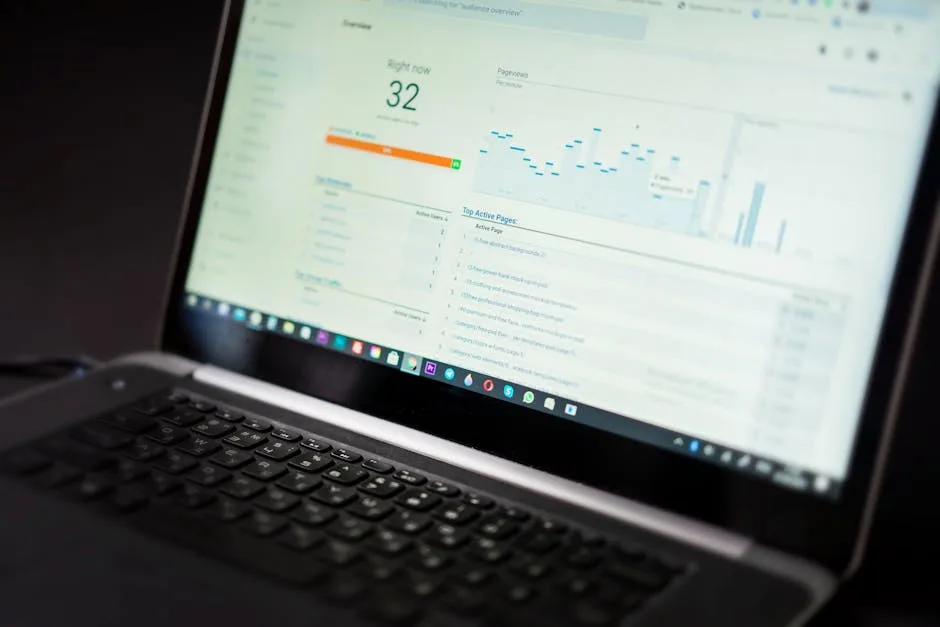
What Technical SEO Does Your Shopify Store Need?
Your store cannot rank if Google cannot crawl it properly. Technical SEO is the foundation everything else sits on. Get this wrong and nothing else matters.
Site Speed
Google uses Core Web Vitals as a ranking signal. Slow stores get pushed down. For Shopify, the biggest speed killers are uncompressed images, too many apps injecting scripts, and bloated themes.
Here is what to fix first:
- Compress all images to WebP format. A single uncompressed hero image can add 3-5 seconds to load time. Use Shopify's built-in image optimization or an app like TinyIMG.
- Audit your installed apps. Every app adds JavaScript. We regularly find stores with 15+ apps where only 6 are actually used. Remove the rest.
- Use a fast, lightweight theme. Dawn and similar OS 2.0 themes are built for performance. Custom themes from ThemeForest often are not.
Check your current speed with our free ecommerce SEO audit tool.
Crawlability and Indexation
Shopify creates duplicate pages by default. Variant URLs, collection-filtered URLs, and paginated pages all generate content that Google has to sort through.
- Set canonical tags correctly. Shopify handles most canonicalization, but custom themes sometimes break it. Check that product pages point to
/products/product-name, not/collections/collection-name/products/product-name. - Submit an XML sitemap. Shopify auto-generates one at
yourstore.com/sitemap.xml. Submit it in Google Search Console and check for coverage errors monthly. - Use robots.txt wisely. Block internal search results pages, checkout pages, and account pages from crawling. These waste your crawl budget.
Structured Data
Rich snippets make your search listings stand out. Product schema shows price, availability, and reviews directly in search results. This lifts click-through rates by 20-30% even without changing your ranking position.
Add these schema types to your Shopify store:
- Product schema on every product page (price, availability, reviews)
- BreadcrumbList schema for navigation hierarchy
- FAQ schema on content pages and collection pages with FAQ sections
- Organization schema on your homepage
Most Shopify themes include basic product schema. Validate yours with Google's Rich Results Test.
How Do You Optimize Product Pages for SEO?
Product pages are where revenue happens. Most stores treat them as data sheets — name, price, add to cart. That is a missed opportunity.
Title Tags and Meta Descriptions
Every product page needs a unique title tag with the primary keyword. The formula that works:
Product Name + Key Feature + Brand | Store Name
Example: "Organic Cotton Tee — Heavyweight 220gsm | STTOKE"
For meta descriptions, include the product benefit and a reason to click. "Free shipping" and "in stock" trigger action because they reduce friction.
Product Descriptions That Rank
Thin content is the number one product page SEO problem. One-line descriptions do not rank. Google needs text to understand what the page is about.
Write 150-300 words per product description. Include:
- The primary keyword naturally in the first sentence
- Specific product details — dimensions, materials, use cases
- Benefits, not just features. "Keeps drinks cold for 24 hours" beats "double-walled insulation"
- Unique copy. Never use manufacturer descriptions. Every competitor using the same supplier has the same text. Google ignores duplicates.
Image Optimization
Product images drive conversions and SEO simultaneously. Name your files descriptively — organic-cotton-tee-black-front.webp beats IMG_4392.webp. Write alt text that describes what the image shows, including the product name.
Does this sound like your store? Find out where you're leaking revenue — take the free Revenue Score. 3 minutes. Free. No pitch.
Why Are Collection Pages Your Best SEO Asset?
Collection pages are your highest-leverage SEO asset. They target category-level keywords with the highest commercial intent — "men's running shoes," "organic skincare Malaysia," "wireless earbuds under RM200."
Collection Page Content
Most Shopify stores have zero text on collection pages. Just a grid of products. Google sees an empty page with links — no context, no relevance signals.
Add 200-400 words of unique content to each collection page. Place it above or below the product grid. Cover:
- What the collection is and who it is for
- Key differentiators — why your selection matters
- Buying guidance — how to choose between products in this category
Internal Linking From Collections
Link from collection descriptions to related collections, relevant blog posts, and your best-selling products. This distributes authority across your site and helps Google understand your category hierarchy.
Use breadcrumbs on every collection page. The path Home > Category > Subcategory tells Google exactly where each page sits in your site structure.
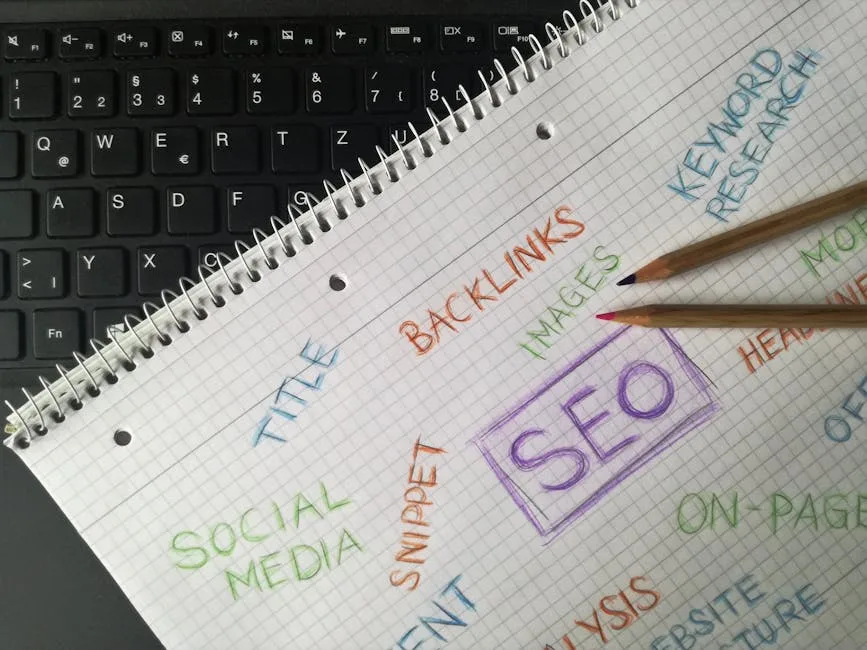
How Does Content Marketing Drive Ecommerce SEO?
Blogging is not optional for ecommerce SEO. Your product and collection pages target commercial keywords. Blog content targets informational keywords — the questions your customers ask before they buy.
The Hub and Spoke Model
Structure your content around topic clusters. The collection page is the hub. Blog posts are the spokes.
Example for a skincare brand:
- Hub:
/collections/vitamin-c-serums(targets "vitamin c serum") - Spoke 1: "How to Use Vitamin C Serum — Morning or Night?" (informational)
- Spoke 2: "Vitamin C Serum vs Niacinamide: Which One First?" (comparison)
- Spoke 3: "Signs Your Vitamin C Serum Has Oxidized" (problem-solution)
Every spoke links back to the hub. The hub links out to the top spokes. Google sees topical authority — this store clearly knows vitamin C serums inside and out.
Content That Converts
Not all blog traffic is equal. Prioritize content that sits close to a purchase decision:
- "Best X for Y" posts — comparison content with high buyer intent
- "How to" guides — solve problems your products fix
- "X vs Y" comparisons — capture people deciding between options
Track which blog posts generate the most product page visits and conversions. Double down on those content types.
We use this exact strategy for ecommerce SEO in Malaysia — building topical authority around the keywords that drive revenue, not just traffic. For a step-by-step implementation guide, use our Shopify SEO checklist to work through every optimization in the right order.
How Do You Build Backlinks for an Ecommerce Store?
Backlinks remain one of Google's strongest ranking signals. According to Ahrefs, 90.63% of pages get zero traffic from Google — and the primary reason is they have zero backlinks.
Ecommerce link building is different from content-site link building. You cannot guest post your way to product page rankings. Here is what works:
Digital PR and Newsworthy Products
Launch stories, sustainability initiatives, and unique product angles attract media coverage. One client landed a feature in a regional publication by sharing their packaging waste reduction data. That single link outperformed six months of directory submissions.
Supplier and Partner Links
Your suppliers, distributors, and complementary brands already have websites. Ask for a "stockist" or "partner" listing. These are relevant, easy to get, and build topical authority.
Resource Link Building
Create genuinely useful resources — sizing guides, comparison charts, ingredient glossaries. These attract links naturally because other sites reference them. A well-made sizing guide can earn dozens of links over time with zero outreach.
Broken Link Building
Use Moz Link Explorer or Ahrefs to find broken links on industry sites pointing to pages similar to yours. Reach out with your working page as a replacement. The success rate is low per email, but the links are high quality.
Which Metrics Should You Track for Ecommerce SEO?
SEO is a long game. Expect 3-6 months before meaningful organic traffic growth. Track these metrics monthly:
- Organic revenue — the metric that matters. Not just traffic, but revenue from organic visitors.
- Keyword rankings — track your top 20-30 target keywords. Focus on movement, not absolute position.
- Organic click-through rate — if rankings improve but CTR stays flat, your titles and meta descriptions need work.
- Indexed pages — monitor Google Search Console for coverage errors. A sudden drop means something broke.
- Page speed scores — check Core Web Vitals quarterly. Theme updates and new apps can silently degrade performance.
Frequently Asked Questions
How long does ecommerce SEO take to show results?
Most stores see initial ranking improvements within 8-12 weeks. Meaningful organic revenue growth typically takes 4-6 months. The timeline depends on your domain authority, competition level, and how much technical debt exists. Stores with clean technical foundations see results faster.
Is Shopify good for SEO?
Shopify handles the basics well — clean URLs, auto-generated sitemaps, SSL, mobile-responsive themes. The limitations are around URL structure (you cannot remove /products/ or /collections/ from paths) and robots.txt customization. These are minor. We rank Shopify stores against custom-built sites regularly. Platform matters far less than execution.
Should I focus on product pages or blog content first?
Start with product and collection pages. These target commercial keywords with direct revenue impact. Once your core pages are optimized, layer in blog content to capture informational searches and build topical authority. Most stores get this backwards — they start blogging before their product pages are properly optimized.
How many backlinks do I need to rank?
There is no universal number. Analyze the top 3 results for your target keyword and check their backlink profiles using Ahrefs or Moz. That gives you a realistic benchmark. For most ecommerce keywords in Southeast Asia, 15-30 quality backlinks to a well-optimized page is enough to compete.
Do I need to hire an SEO agency for my Shopify store?
It depends on your capacity and expertise. Technical SEO setup — schema, site speed, crawl optimization — is a one-time investment that benefits from expert implementation. Ongoing content and link building can be done in-house if you have the bandwidth. Many of our clients start with a technical audit and then handle content internally using the strategy we build.
Keep Reading
Ready to grow?
Find out exactly where your store is leaking revenue.
Answer a quick set of multiple-choice questions and we'll pinpoint your biggest revenue leaks — and whether we can help plug them.
Find Your Revenue LeaksFree · No obligation · 2 minutes