Is your store leaking revenue?
Find out exactly where you're losing sales — takes 2 minutes.
Selling fashion in Singapore means beating return anxiety, matching international UX standards, and delivering fast.
Singapore shoppers are brutal. They browse ASOS, Zalora, and Love Bonito — stores with flawless UX, generous returns, and next-day delivery. Then they land on your store. If anything feels slower, clunkier, or less trustworthy, they leave. Selling fashion products online in Singapore means competing with international-grade experiences from day one. You don't get a grace period.
Fashion ecommerce returns average 25-30% across the industry. In Singapore, shoppers expect free returns as a baseline — not a perk. That changes how you build your entire store, from product pages to checkout to post-purchase flow.
This guide walks you through the execution sequence for fashion and apparel brands on Shopify in Singapore. Not theory. The actual fixes, in order. Start with a baseline: run your store through the free scorecard.

How Do You Build Merchandising Clarity for Singapore?
Singapore shoppers navigate like international shoppers.
Quick Answer: How do you sell fashion online in Singapore?
Match international UX standards, offer free returns above SGD 80, and deliver next-day. Singapore shoppers compare your store against ASOS and Zalora. Fashion returns average 25-30%, and free returns are table stakes here. Include garment measurements (not just S/M/L), BNPL options like Atome, and PayNow checkout to capture the 30-40% who prefer alternative payments. They're used to ASOS-level filtering, Zara-level visual merchandising, and Shopee-level speed. Your store needs to match that standard or explain why it's different.
Navigation architecture:
- Organise by occasion first: workwear, weekend, occasion, activewear. Not just "tops" and "bottoms." Singapore buyers shop for contexts — a wedding dinner, a Friday drinks outfit, office-appropriate pieces.
- Filters must include size, colour, price range, fabric, and occasion. On mobile, filters should appear as a sticky bar or easily accessible sheet — never buried three taps deep.
- "New arrivals" and "bestsellers" need prominent placement. Singapore shoppers check these first — they want what's current and what's proven.
- Cross-merchandising is expected. If someone views a blazer, show matching trousers and bags. Zalora does this aggressively. You should too.
Visual standards for SG:
- Minimum 4 product images: front, back, side, fabric close-up. This is the Singapore baseline. ASOS shows 6-8. Love Bonito shows 5-6.
- Model diversity matters. Singapore is multiethnic — Chinese, Malay, Indian, Eurasian. Show garments on more than one body type and skin tone. "Model is 165cm, wearing size S" alongside "Model is 172cm, wearing size M" gives two reference points.
- Video for hero products. A 10-second styling clip shows drape, movement, and fit better than any photo.
- Consistent lighting and backgrounds across your catalogue. Visual inconsistency signals a marketplace seller, not a brand.
The modest fashion opportunity:
Singapore has a growing modest fashion segment, particularly within the Malay community. Brands like dUCk and Lilit have shown this segment responds well to quality, curated collections rather than being an afterthought filter. If modest fashion is part of your range, give it dedicated collection pages with proper filtering — not just a tag buried in search.
But merchandising only gets buyers to the product page. What happens next determines the sale.
How Do You Resolve Fit Confidence for International Sizing?
Singapore shoppers are more familiar with international sizing than most Southeast Asian markets. They've bought from Zara, H&M, Uniqlo, and ASOS. They understand EU and UK sizing. That familiarity is both an advantage and a trap.
The advantage: you don't need to over-explain what "size M" means to someone who shops Uniqlo weekly.
The trap: if your "size M" doesn't match the Uniqlo M they're used to, they'll return it. And blame your store.
Size guides that prevent returns:
- Include actual garment measurements in centimetres — bust, waist, hip, length — for every size. Not body measurements. Garment measurements. A shopper can hold a tape to a shirt they already own and compare. Baymard research confirms this reduces fit-related returns significantly.
- Show an international size comparison table: your size S = EU 36 = UK 8 = US 4. Singapore shoppers think in multiple sizing systems.
- Add fit descriptions per product: "Relaxed fit — if you prefer a closer fit, size down." One sentence can save a return.
- "Model is wearing size S. Model measurements: bust 82cm, waist 62cm, height 165cm." This context is more valuable than any chart.
Fabric transparency:
- Fabric composition (100% linen, cotton-polyester blend) plus what it means to wear: "Lightweight linen — breathable, slight texture, softens with wash."
- Stretch information is critical for fitted garments. "4-way stretch" or "No stretch — order true to measurement."
- Singapore is tropical. Call out breathability, moisture-wicking properties, and whether something is suited for aircon-to-outdoor transitions. Shoppers know the climate problem. Tell them you've solved it.
Social proof that converts:
- Customer reviews mentioning fit are the highest-value content on your PDP. "I'm usually a Zara M but went with S here — perfect fit" is worth more than any ad.
- Photo reviews from real customers. These convert significantly better than studio shots alone. Products with 50+ reviews see roughly 2x the conversion rate of those with fewer than 10.
- Show review count near the product title. "214 reviews" signals safety to a cautious buyer.

Why Are Free Returns Table Stakes in Singapore?
Here's where Singapore fundamentally differs from most of Southeast Asia. In Malaysia, return rates are lower and expectations are softer. In Singapore, free returns are the price of admission for fashion ecommerce.
Shoppers who've bought from ASOS (free returns), Zalora (free returns on most items), and Love Bonito (easy exchanges) expect the same from your store. If your returns policy is buried, restrictive, or expensive, your add-to-cart rate will suffer — even if shoppers never actually return anything. The policy itself is a trust signal.
What Singapore fashion buyers expect:
- Free returns on orders above SGD 80. This is the unwritten standard. Below that threshold, a small flat fee is acceptable.
- Self-service returns portal. Not "email us to request a return." A portal where they select items, choose a reason, print a label, and schedule a pickup. Shopify apps like Loop Returns or AfterShip handle this cleanly.
- 14-day return window minimum. 30 days is better and matches what international competitors offer.
- Exchange-first flow. When a shopper initiates a return, the first option should be "exchange for a different size" — not "get a refund." This retains the revenue.
Returns as a conversion lever:
- Display your returns policy on every product page, not just a footer link. "Free returns within 14 days" next to the add-to-cart button removes a major hesitation.
- Use return reason data to improve product pages. If 40% of returns on a particular dress say "too small," update the size guide and add a fit note.
- Track your return rate by category. Dresses and fitted tops will always have higher return rates than t-shirts and accessories. Build that into your margin model.
Does this sound like your store? Find out where you're leaking revenue — take the free Revenue Score. 3 minutes. Free. No pitch.
What Does a 90-Day Execution Sequence Look Like?
Don't try to fix everything at once. This sequence prioritises by impact.
Days 1-14 — Audit and baseline:
- Run the scorecard and identify your top 3 issues. In Singapore fashion stores, these are almost always: weak size guides, no return policy visibility, or slow mobile load times.
- Benchmark your return rate, add-to-cart rate, and conversion rate. You need numbers before you optimise. If you don't have analytics set up properly, fix that first — you can't improve what you can't measure.
- Audit your checkout for Singapore payment methods. Set up PayNow, GrabPay, and at least one BNPL option (Atome or Pace). Fashion loves BNPL — splitting a SGD 180 order into 3 payments of SGD 60 removes price friction without discounting. If you're only offering credit cards, you're losing the 30-40% of Singapore shoppers who prefer alternative payment methods.
- Check your mobile experience on an actual phone. Not browser dev tools — a real phone on a real 4G connection. Over 75% of fashion browsing in Singapore happens on mobile. If your product images take more than 2 seconds to load, that's your first fix.
Days 15-45 — Product page overhaul:
- Add garment measurements (not just body measurements) to every size guide.
- Add model measurement callouts to every product with a model photo.
- Add fit descriptions: "runs large," "true to size," "slim fit — size up if between sizes."
- Implement or upgrade your returns portal. Make the policy visible on every PDP.
- Add fabric and care details to every product description.
Days 46-75 — Trust and speed infrastructure:
- Set up next-day delivery via Ninja Van SG or J&T Express SG. Two-day delivery is the maximum acceptable window in Singapore. Same-day is a genuine differentiator.
- Solicit photo reviews from existing customers. Offer a small discount code for photo reviews. Build to 20+ reviews on your top 10 products.
- Add an international size conversion table to your size guide page.
Days 76-90 — Scale only after fundamentals hold:
- Review return rate trends. If returns are dropping, your product page improvements are working. If they're not, dig into the return reasons — the data will tell you which product pages still need work.
- Review add-to-cart and conversion rate. Only increase ad spend when these are trending up. Scaling traffic to a broken store just scales your losses. If your numbers are still flat, our guide to boosting ecommerce conversion rates covers the seven most impactful fixes.
- Launch seasonal collection planning (see below) for the next quarter.
- Start building email flows: abandoned cart (with the product image and a "still your size" reminder), post-purchase (care instructions + review request), and browse abandonment for high-intent categories.

How Do Size Guides Reduce Returns?
This deserves its own section because it's the single highest-ROI fix for fashion stores. A better size guide directly reduces returns, increases conversion, and improves customer satisfaction.
What works in Singapore:
- Garment measurements table: show the actual measurements of each size (chest width, body length, sleeve length), not the body measurements the size is "designed for." Shoppers can lay a garment flat and compare.
- Multi-body-type photos: show the same garment on a size S model and a size L model. This alone can reduce "it didn't look like the photo" returns by a significant margin.
- Fit type labels: categorise every product as "slim fit," "regular fit," or "relaxed fit." Train your shoppers to understand your fit system the way they understand Uniqlo's.
- Measurement how-to: a simple graphic showing where to measure bust, waist, and hip. Link it from every size chart. Not everyone knows how to measure themselves accurately.
What doesn't work:
- Generic S/M/L with no measurements. Different brands define these differently. Shoppers know this.
- Size guides that only show body measurements. These require shoppers to know their own exact measurements, which most don't.
- PDF size charts. They don't load on mobile, they're not searchable, and they feel like an afterthought.
Does Sustainability Drive Conversions in Singapore?
Sustainability isn't a niche concern in Singapore. It's a purchasing factor for a meaningful segment of the market — particularly among younger, higher-income shoppers who are also your most valuable fashion customers.
But "sustainability" without specifics is meaningless. Singapore shoppers are educated and skeptical. Vague claims like "eco-friendly" or "sustainable practices" get ignored. Specific claims convert.
What to communicate:
- Fabric sourcing: "Organic cotton certified by GOTS" or "Recycled polyester from post-consumer plastic bottles." Name the certification. Name the material.
- Production ethics: "Made in a Fair Trade certified facility in [country]." If you can name the factory, even better.
- Packaging: "Ships in compostable mailers, no plastic." This is visible to the customer on delivery and reinforces the purchase decision.
- Longevity angle: "Designed to last — reinforced stitching, pre-washed to prevent shrinkage." Sustainability framed as quality and durability resonates more broadly than environmental messaging alone.
Where to put it:
- Dedicated sustainability page linked from your main navigation. Not a footer afterthought.
- Per-product sustainability badges on PDPs where applicable.
- A short sustainability note in your "About" section and in post-purchase emails.
Don't lead with sustainability as your primary value proposition unless your entire brand is built on it. Lead with style, fit, and quality — then let sustainability reinforce the purchase decision.
One practical move: add a "Sustainability" filter to your collection pages. Let shoppers self-select. The ones who care will use it. The ones who don't won't even notice it's there. No downside.
How Should You Plan for Singapore Fashion Seasons?
Singapore doesn't have traditional fashion "seasons" (no winter coats here), but it has distinct buying peaks that your merchandising and marketing should follow.
Chinese New Year (January-February):
- The biggest fashion buying period. Red and gold pieces, new outfits for visiting, family dinner looks. Start merchandising CNY collections 6 weeks before. Push gifting (fashion vouchers, curated sets) from 3 weeks out.
- CNY is the one time when even price-conscious Singapore shoppers spend freely on fashion. Premium positioning works here.
National Day (August):
- Red and white themed pieces. Casual wear, athleisure, matching family sets. Lighter commercial impact than CNY but strong for brand awareness and community connection.
Black Friday / Cyber Monday (November):
- Singapore shoppers are fully plugged into BFCM. They expect discounts, and they compare across brands. Run your sale, but don't train customers to wait for it. Consider offering exclusive early access to loyalty customers rather than site-wide discounts.
Year-end holiday season (December):
- Party season. Occasion wear, cocktail dresses, statement pieces. Gift buying spikes. Expedited delivery becomes critical — last-order dates must be clearly communicated.
The travel factor:
Singapore shoppers travel frequently — this is one of the most-travelled populations in the world. They buy resort wear for Bali trips, outerwear for Japan/Korea winter visits, and layering pieces for European holidays. If your range includes travel-relevant categories, merchandise them year-round — not seasonally.
This also means Singapore shoppers are exposed to global fashion trends faster than most SEA markets. They've walked past Celine in Ginza, browsed COS in London, tried on Massimo Dutti in Barcelona. Your online store is competing with those in-person experiences. The bar for product presentation, brand storytelling, and quality signals is set by international retail — not by local competitors alone.
Pricing and promotions:
Singapore accepts higher AOV for fashion than most Southeast Asian markets. A SGD 120 dress doesn't need a discount to convert — it needs a compelling brand story, quality fabric details, and a return policy that removes risk. Don't discount by default. Discounting trains customers to wait. Instead, use value-adds: free shipping above SGD 80, a styling guide with purchase, or early access to new collections for email subscribers.
How Do You Sell Online in Singapore?
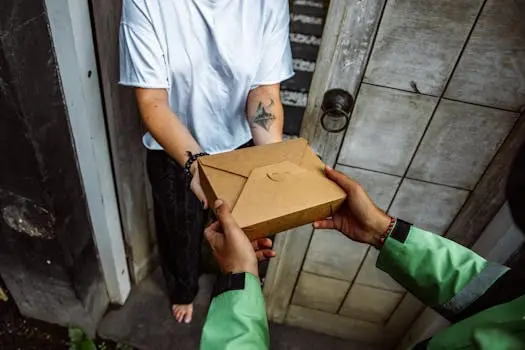
Selling online in Singapore starts with the right platform, the right payment stack, and the right delivery promise. Pick Shopify for owned channels. Offer PayNow, cards, and BNPL. Promise next-day delivery. Singapore's small geography and high digital adoption let small brands compete with marketplace giants if the operational basics are tight.
The reason most founders ask "how to sell online in Singapore" is that Singapore looks like the easiest market in Southeast Asia (high incomes, English-first, small geography) but converts the hardest. Buyers compare your store against ASOS, Amazon, and Lazada in the same browser tab.
Set the stack first. Pick one storefront (Shopify is the default for DTC; Shopee and Lazada are the default for marketplace-first plays). For a structured walk-through of where each option lands on price, payments, and SEA support, see the best ecommerce platforms Singapore comparison. Add PayNow for instant local transfers, card processing through Stripe or HitPay, and at least one BNPL provider (Atome or Pace). Stack PayNow plus one BNPL covers 50 to 70% of SG buyer preferences.
Pick the SKU range carefully. Singapore rewards focused catalogues. Brands that launch with 20 to 50 curated SKUs convert better than brands with 500 SKUs and no curation. Singapore buyers expect editorial selection.
Promise next-day delivery. Singapore is 730 km2. Anything slower than two-day delivery signals amateur ops. Ninja Van SG, J&T Express SG, and Lalamove all deliver next-day at reasonable rates.
For a fashion store specifically, the playbook above maps onto the sections earlier in this guide. For the platform-side decision, see our Shopify Singapore guide and our ecommerce agency in Singapore overview.
What Do You Need to Sell Online in Singapore Legally?
To sell online in Singapore legally, register a business with ACRA, register for GST if revenue exceeds SGD 1 million, and comply with the Consumer Protection (Fair Trading) Act. Sole proprietorships and Pte Ltd are the two common entity types. A Pte Ltd costs around SGD 315 and takes 1 to 3 days to incorporate. Sole prop is cheaper but mixes personal and business liability.
The legal layer for selling online in Singapore is lighter than in Malaysia or the EU, but the basics still matter.
ACRA registration. All businesses in Singapore must register with the Accounting and Corporate Regulatory Authority. For most DTC founders, the question is sole proprietorship versus private limited company (Pte Ltd). Pte Ltd costs around SGD 315 (BizFile fees plus name application), takes 1 to 3 business days to incorporate, and limits personal liability. Sole prop costs around SGD 115 and is simpler but mixes personal and business assets.
GST registration. Required if your business revenue exceeds SGD 1 million in any 12-month period. Below that threshold, GST is optional. Most early-stage ecommerce founders skip it because the admin overhead outweighs the input tax credit.
Consumer protection. Singapore's Consumer Protection (Fair Trading) Act covers ecommerce: clear product descriptions, fair pricing, working returns process, accurate delivery promises. The Spam Control Act covers email marketing (opt-in required, unsubscribe must work).
Data protection. PDPA (Personal Data Protection Act) governs how you handle customer email, phone, and address data. Required: a privacy policy, consent capture at signup, a data-breach response plan.
For a fashion brand specifically, sole prop usually works for the first 6 to 12 months, then convert to Pte Ltd before raising or scaling ad spend. For setup help, talk to an ecommerce agency in Singapore.
Which Platform Is Best to Start Selling Online in Singapore?
Shopify is the default platform for DTC brands selling online in Singapore. It handles SGD payments natively (Shopify Payments launched in SG in late 2024), integrates with PayNow and BNPL, and ships next-day delivery rails via Ninja Van SG. Marketplaces (Shopee, Lazada, Zalora) work better as discovery channels than as standalone storefronts.
The platform question for Singapore breaks into three buckets.
Bucket one, owned storefront (Shopify, WooCommerce, Wix). Shopify is the default for DTC. Shopify Payments launched in Singapore in late 2024, removing the 2% Shopify transaction fee. Native integrations cover PayNow, GrabPay, Atome, and major card processors. WooCommerce works if you already have a developer; otherwise the operational overhead is high. Wix is fine for portfolio sites and very small catalogues.
Bucket two, marketplaces (Shopee, Lazada, Zalora, Amazon SG). Marketplaces give you immediate buyer traffic but take 3 to 8% commission, control the customer relationship, and limit brand differentiation. For most new brands, the right play is to start with one owned storefront and one marketplace channel, then expand.
Bucket three, social commerce (TikTok Shop, Instagram Shopping, Facebook Shop). TikTok Shop launched in Singapore in mid 2024 and is growing fast. Instagram Shopping has been live for years. These are discovery channels that drive traffic back to your owned store; rarely the primary storefront.
The decision pattern most SG founders settle on. Shopify as the owned store (margin, brand, data ownership). One marketplace for volume and discovery (usually Shopee SG or Zalora for fashion). TikTok Shop or Instagram Shopping as the social discovery channel. For a deeper platform comparison, see best ecommerce platforms in Singapore and the Shopify vs WooCommerce SEO performance breakdown.
How Much Does It Cost to Start Selling Online in Singapore?
Starting an online store in Singapore costs SGD 5,000 to 15,000 for the first 90 days. That covers ACRA registration (SGD 315), Shopify subscription (SGD 30 to 105 per month), basic product photography (SGD 1,500 to 3,000), initial inventory (SGD 2,000 to 5,000 for fashion), and 60 days of paid ad testing (SGD 2,000 to 5,000). Founders going lean can launch under SGD 5K. Brands aiming for a polished launch usually spend SGD 10 to 15K.
The cost breakdown for a typical first-year online business in Singapore looks like this.
Setup costs, month 0 to 1: ACRA registration SGD 115 to 315, Shopify subscription SGD 30 to 105 per month, domain registration SGD 20, basic theme SGD 0 to 350, product photography SGD 1,500 to 3,000 for a small catalogue, copywriting SGD 500 to 2,000. Subtotal SGD 2,200 to 6,000.
Inventory and operations, month 0 to 3: Initial inventory depending on category. For fashion brands, SGD 2,000 to 8,000 for an opening collection of 15 to 30 SKUs. Packaging and shipping supplies SGD 500 to 1,500. Delivery rates with Ninja Van SG or J&T Express run SGD 4 to 8 per package.
Marketing, month 1 to 3: Paid ads SGD 1,500 to 5,000 for the first 60 days. Influencer or KOL seeding SGD 1,000 to 3,000 in product cost. Email marketing software (Klaviyo or similar) SGD 0 to 100 per month at launch volume.
Hidden costs founders miss. Returns handling (fashion runs 25-30%), customer service hours, payment gateway fees (2 to 3% per transaction), and the gap between revenue and settled cash (T+2 to T+5 settlement). Run the math in our ecommerce profit calculator before committing to a launch budget. For brands aiming for a designer-quality launch, see our ecommerce website design in Singapore services.
How Long Does It Take to Start Selling Online in Singapore?
Most online businesses in Singapore launch within 30 to 90 days from ACRA registration to first paid order. ACRA incorporation is 1 to 3 days. Shopify storefront build is 2 to 6 weeks depending on complexity. Payment gateway approval is days to weeks. Inventory and product photography is the longest pole (4 to 8 weeks for a fashion launch). Founders who launch faster usually cut corners on product photography or copy, then pay it back in low conversion.
The timeline breaks down by workstream.
Days 1 to 3, legal setup. ACRA registration through BizFile takes 1 to 3 days for sole prop or Pte Ltd. PayNow merchant setup with your bank takes 3 to 7 days.
Weeks 1 to 6, storefront build. A basic Shopify storefront with a paid theme, 15 to 30 SKUs, copywriting, and basic integrations takes 2 to 6 weeks. Founders who DIY usually take 6 weeks; those working with an agency take 2 to 4 weeks. Fashion-specific builds with size guides, lookbooks, and editorial collections sit at the upper end.
Weeks 2 to 8, product and inventory. Product photography (lifestyle plus white-background), copy, and inventory receipt is usually the longest pole. For a fashion brand sourcing from China, India, or Vietnam, the inventory pipeline is 4 to 8 weeks from PO to landed goods.
Weeks 4 to 8, payment and shipping. Stripe, HitPay, and Shopify Payments are instant. Atome and Pace BNPL approvals take 1 to 3 weeks. Ninja Van SG and J&T Express SG can onboard a new merchant in days.
The launch readiness gate. Do not soft-launch until checkout is tested end to end on mobile (90% of SG ecommerce traffic), returns process is documented, and at least one delivery has been completed test-to-shipped. For fashion brands launching faster, our ecommerce development in Singapore team handles the technical build while you focus on product. The Shopify Singapore guide covers the full launch sequence.
Frequently Asked Questions
What payment methods should a Singapore fashion store offer?
Credit cards (Visa, Mastercard) are the baseline. Add PayNow for instant bank transfers, GrabPay for wallet users, and at least one BNPL provider — Atome or Pace. BNPL is particularly effective for fashion: shoppers are more willing to try a higher-priced item when they can split payments. Expect 15-25% of orders through BNPL on a fashion store.
How do we compete with Zalora and Love Bonito?
You don't compete on range or price. Zalora is a marketplace with thousands of brands. Love Bonito is a VC-backed brand with deep pockets. Your edge as a DTC brand is fit confidence, brand story, and customer experience. Build detailed size guides, share your design process, offer styling advice, and create a returns experience that makes buying feel risk-free. The brands winning in Singapore are the ones that feel personal, not transactional.
Is next-day delivery really necessary in Singapore?
For fashion, yes. Singapore is 730 square kilometres. There's no logistical reason for 5-day delivery, and shoppers know it. Ninja Van SG and J&T Express SG both offer reliable next-day options at reasonable rates. Two-day delivery is acceptable. Anything slower and you're giving the customer time to find the item elsewhere or change their mind. Same-day delivery is a premium differentiator if you can offer it for key postcodes.
Keep Reading
- Fashion Marketing Strategy for Singapore — Channel mix, ad strategy, and growth planning for SG fashion brands.
- How to Sell Fashion Products Online — The Malaysia-focused version of this guide.
- Fashion & Apparel Ecommerce — Full industry hub for fashion and apparel brands.
- Shopify Singapore — Launch and grow your Shopify store in Singapore.
- Common eCommerce Development FAQs Answered

Free Download
23 things your top competitor's store has that yours doesn't.
"I look at their store and it just looks better. We get the traffic — something's clearly off." Here are the 23 specific things they're doing.
Benchmarked across 20+ Shopify stores in beauty, fashion, food & beverage. Half the gaps close in under a week.
PDF in your inbox in 30 seconds. 1 email. No follow-up unless you ask.