Is your store leaking revenue?
Find out exactly where you're losing sales — takes 2 minutes.
How to sell fashion online when buyers can't try anything on.
Your customers cannot touch the product. That is fashion ecommerce's fundamental problem — buyers can't check the fit, feel the fabric, or see how it looks on their body. Every uncertainty is a reason not to buy. Online fashion returns average 25-30% — compared to 8% in physical stores — almost entirely due to sizing and fit uncertainty. The brands that win online are the ones that systematically remove that uncertainty — not the ones that spend the most on Instagram ads.
This guide gives you the execution sequence for fashion and apparel brands on Shopify in Malaysia and Singapore. Start here, then move to the strategy guide for channel mix and growth planning.
Get a baseline first: run your store through the free scorecard.
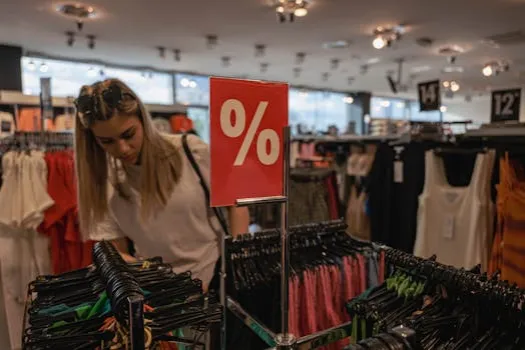
How Do You Build Merchandising Clarity?
Before you worry about traffic or ads, your store needs to pass the "can I find what I want?" test:
Quick Answer: How do you sell fashion products online in Malaysia?
Solve fit uncertainty first. Online fashion returns average 25-30% — almost entirely from sizing and fit issues. Use size guides with body measurements in cm, model measurement callouts, fabric stretch descriptions, and customer photo reviews. Products with 50+ reviews convert at roughly 2x the rate of those with fewer than 10.
Collection and navigation architecture:
- Organise by occasion and use case first (workwear, casual, occasion, activewear), not just by product type (tops, bottoms, dresses).
- Implement filters that matter for fashion: size, colour, price range, and fabric type. Mobile filtering must be effortless — not a buried hamburger menu.
- "New arrivals" and "bestsellers" collections should be prominent. These reduce decision fatigue for first-time visitors.
- Cross-merchandising matters: if someone views a blouse, show matching bottoms. If they view a dress, show compatible accessories.
Visual standards:
- Multiple angles: front, back, side, close-up of fabric texture. Minimum 4 images per product.
- Model shots on at least 2 different body types if possible. "Model is 168cm, wearing size M" reduces guesswork.
- Consistent lighting and background across your catalogue. Visual consistency signals brand quality.
- Video for hero products — 10-second styling clip performs better than 5 extra photos.
For Shopify setup in Malaysia or Singapore, see those service guides.
But clear merchandising only gets buyers to the product page. What happens there determines whether they buy or bounce.
How Do You Resolve Fit Confidence on Every Page?
Fit uncertainty is the #1 conversion killer in fashion ecommerce. Every product page must address it:
Size guides that actually help:
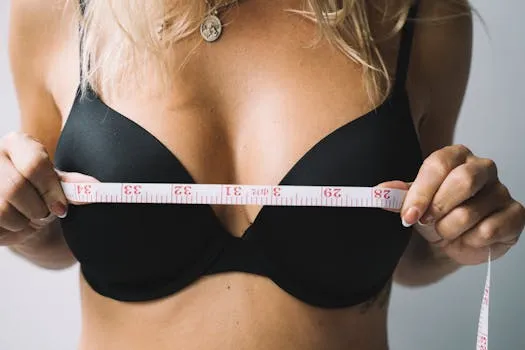
- Body measurements in cm (bust, waist, hip, length), not just S/M/L. Generic size labels mean different things on every brand.
- A "How to measure" visual guide linked from every size chart.
- "Model is wearing size M. Model measurements: bust 84cm, waist 66cm, height 168cm." This context is more useful than any chart.
- Fit description: "This runs slightly oversized. If between sizes, go down." One sentence can prevent a return.
Fabric and care details:
- Fabric composition (100% cotton, polyester blend) AND what that means to wear. "Lightweight cotton — breathable, ideal for tropical climate."
- Stretch information: "4-way stretch" or "no stretch — true to measurement."
- Care instructions visible on PDP, not just on the garment tag. Buyers want to know if it's machine-washable before buying.
Social proof:
- Customer reviews mentioning fit are gold: "I'm usually a size L but went with M based on the chart — perfect fit."
- Photo reviews of customers wearing the item in real life. These convert significantly better than studio shots alone.
- Display review count near the product title. "127 reviews" signals that others have bought and were happy enough to comment. Products with 50+ reviews convert at roughly 2x the rate of those with fewer than 10.
With your product pages resolving fit doubt, the next step is localizing the details that actually affect conversion in each market.
Does this sound like your store? Find out where you're leaking revenue — take the free Revenue Score. 3 minutes. Free. No pitch.

How Do Malaysia and Singapore Differ in Execution?
One store, two markets. Adjust where it matters:
| Factor | Malaysia | Singapore |
|---|---|---|
| Modest fashion | Significant market segment — create dedicated collection with filtering | Smaller but growing niche |
| Key seasons | Raya, CNY, Deepavali, year-end sales | CNY, National Day, year-end, Black Friday |
| Price sensitivity | Higher — show original vs. sale price, bundle savings, member discounts | Lower — brand story and quality signals justify premium |
| Sizing awareness | Local size references help — less familiar with international sizing | International sizing more familiar |
| Delivery expectation | 3-5 days acceptable | Next-day or 2-day expected; express options essential |
| Returns culture | Lower return rate, less expectation of free returns | Higher return rate, free returns expected for conversion |
| Sustainability | Growing interest | Resonates strongly — can be a differentiator |
What Does a 90-Day Execution Rhythm Look Like?
- Days 1-14: Audit with the scorecard. Identify the top 3 issues — usually navigation confusion, missing size info, or mobile UX friction. Fix those first.
- Days 15-45: Improve product pages: add real size guides with model measurements, fabric details, and customer photo reviews. Fix collection structure for intuitive browsing.
- Days 46-90: Scale channels only after add-to-cart rate and conversion rate improve. For more conversion tactics specific to the Malaysian market, see our guide on how to boost ecommerce conversion rates in Malaysia. For fashion, monitor return rate as a quality signal — if returns are high, your PDP isn't setting the right expectations.
Frequently Asked Questions
How do we reduce returns?
Size guides with actual measurements (not just S/M/L), model fit info, fabric stretch descriptions, and customer reviews mentioning fit. Most returns are sizing issues — fix the information, fix the returns.
Do we need separate sites for Malaysia and Singapore?
No. One Shopify store with market-specific pricing and delivery zones. Localise currency, shipping timelines, and payment methods — not the store itself.
How important is mobile experience for fashion?
Non-negotiable. Over 75% of fashion ecommerce browsing in SEA happens on mobile. If your filters are buried, images are slow, or checkout requires zooming, you're losing most of your potential buyers.
Keep reading:
- Fashion Marketing Strategy — Channel mix, seasonal planning, and growth strategy for fashion brands.
- Fashion & Apparel Ecommerce — The full industry hub for fashion ecommerce in Malaysia and Singapore.
- Shopify Malaysia — Launch and grow your Shopify store in Malaysia.
- Shopify Singapore — Shopify setup, optimisation, and growth in Singapore.
- Common eCommerce Development FAQs Answered — Platform costs, timelines, and migration answers.
- The eCommerce Growth Pyramid — The framework for prioritising growth levers.
WebMedic helps fashion brands build, launch, and grow on Shopify. Get your free store score →

Free Download
23 things your top competitor's store has that yours doesn't.
"I look at their store and it just looks better. We get the traffic — something's clearly off." Here are the 23 specific things they're doing.
Benchmarked across 20+ Shopify stores in beauty, fashion, food & beverage. Half the gaps close in under a week.
PDF in your inbox in 30 seconds. 1 email. No follow-up unless you ask.