Is your store leaking revenue?
Find out exactly where you're losing sales — takes 2 minutes.
A five-step system for building the swipe file your store actually needs
Your competitors already figured it out.
The brands you admire — the ones with beautiful landing pages, email flows that print money, and ads you actually stop scrolling for — they didn't invent everything from scratch. They borrowed, adapted, and iterated. You should too.
This is a framework for systematically studying the best DTC brands and extracting what works. Not copying. Adapting principles into your own store, your own voice, your own positioning.
Here's how we do it at every conversion rate optimization engagement.
Why Does Most Competitive Research Fail?
Store owners browse a competitor's site for ten minutes, screenshot a homepage, and call it research.
Quick Answer: How do you systematically steal ideas from DTC brands?
Follow a five-step swipe file system: subscribe to 10-15 brand email lists, screenshot landing pages monthly via Archive.org, mine the Meta Ad Library for ads running 6+ months (those are profitable), buy from 3-5 brands to study post-purchase flows, and reverse-engineer pricing and bundle structures. Adapt principles, never copy pixels.
That's not research. That's tourism.
Real competitive intelligence means studying the full customer journey — from the first ad impression to the post-purchase email sequence. One homepage screenshot tells you nothing about why they convert.
According to Baymard Institute, the average ecommerce site has 39 usable UX improvements available. The best brands have already found most of them. Your job is to document what they did.
Why Should You Subscribe to Their Email Lists?
This is the easiest win and almost nobody does it systematically.
Create a dedicated email address. Sign up for the email lists of 10-15 brands you admire — not just direct competitors, but best-in-class DTC brands in adjacent categories.
What to watch for:
- Welcome sequence length and timing. How many emails before the first hard sell?
- Discount strategy. Do they lead with a discount or earn the click first?
- Subject lines. Screenshot every one. After 30 days, you'll see clear patterns.
- Abandonment flows. Add items to cart, then leave. Count the follow-ups.
The brands spending $50K/month on email marketing have already A/B tested everything. Learn from their results.
How Do You Track Landing Page Changes Over Time?
A single screenshot is a snapshot. A folder of screenshots taken monthly is a strategy map.
Use Archive.org's Wayback Machine to see how a brand's landing pages evolved. When a DTC brand changes their hero section, product page layout, or pricing display — it's almost always because the old version lost a test.
Tools that help:
- Archive.org — historical page snapshots
- BuiltWith — see what tech stack and apps they run
- Screaming Frog — crawl their site structure and see how they organize content
Track changes in these areas specifically:
- Hero headline and value proposition
- Social proof placement (reviews, logos, press mentions)
- Add-to-cart section layout
- Trust badges and guarantees
What Can You Learn From Ad Libraries?
Every active Facebook and Instagram ad is public. Go to Meta Ad Library and search any brand name.
Sort by longest-running ads. If an ad has been live for six months, it's profitable. That's not a guess — no brand burns ad spend on a loser for half a year.
Document:
- Hook patterns. What's in the first three seconds of video ads?
- Ad format. Are they running UGC, studio creative, or text overlays?
- Landing page destinations. Do ads go to product pages, collection pages, or dedicated landing pages?
- Offers. Free shipping thresholds, bundle deals, percentage discounts.
Does this sound like your store? Find out where you're leaking revenue — take the free Revenue Score. 3 minutes. Free. No pitch.
Why Should You Buy Their Product?
This is the step everyone skips because it costs money. It's also the most valuable.
Buy something from 3-5 brands you want to study. The $30-80 you spend will teach you more than any course.
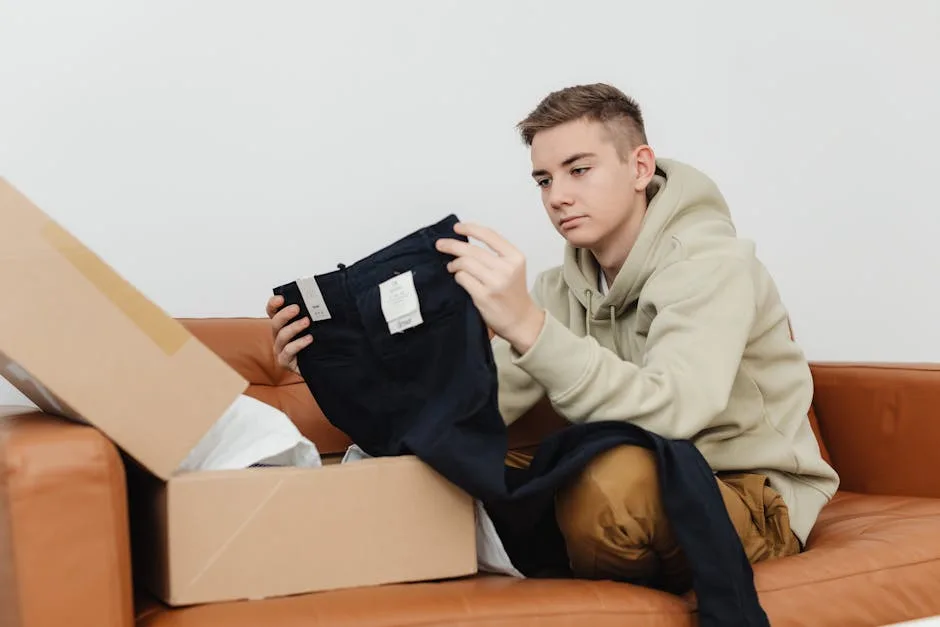
What you're studying:
- Packaging and unboxing. What's in the box besides the product? Inserts? QR codes? Handwritten notes?
- Post-purchase emails. How many? What's the timing? When do they ask for a review?
- Cross-sell and upsell flow. Do they recommend related products on the thank-you page? In the shipping confirmation?
- Returns experience. Start a return. See how easy they make it.
The post-purchase flow is where most brands differentiate. Your pre-purchase funnel might look similar to competitors. Your post-purchase flow is where you win loyalty.
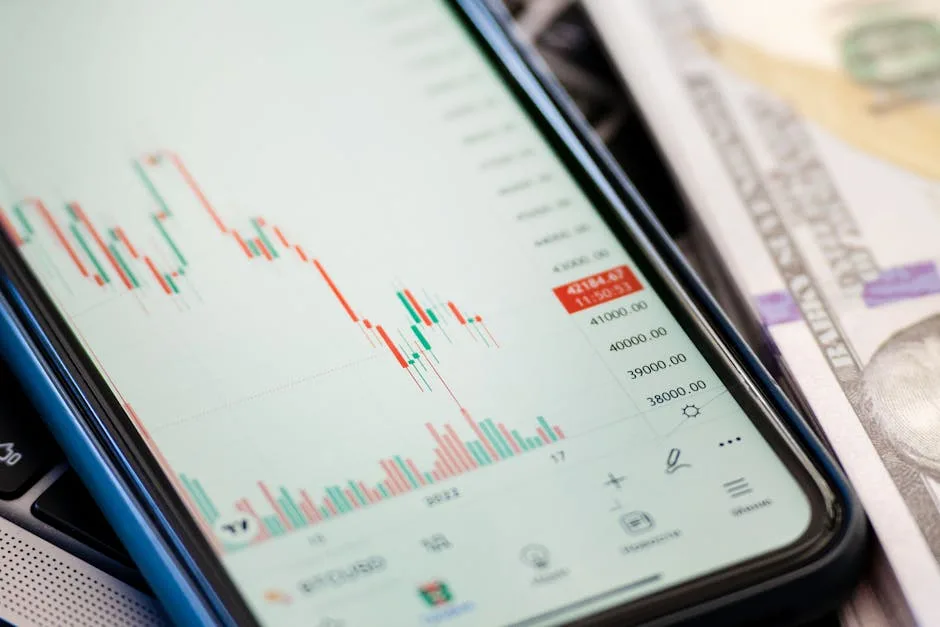
How Do You Reverse-Engineer Pricing and Bundles?
Pricing strategy is the most overlooked element in competitive research.
Study how top brands structure their offers:
- Anchoring. Do they show a "compare at" price?
- Bundle incentives. "Buy 2 get 10% off, buy 3 get 20% off" — what tiers do they use?
- Subscription models. What's the subscribe-and-save discount? 10%? 15%?
- Free shipping threshold. Where do they set it relative to their average product price?
If a brand's average product is $35 and their free shipping threshold is $50, that's intentional. They've tested it. The threshold is designed to push AOV up by encouraging a second item.
This is exactly the kind of insight we apply during ecommerce marketing strategy projects — studying what works in the market and adapting it to your store's context.
Why Should You Adapt Principles, Not Pixels?
Here's the critical distinction.
Copying a landing page layout is lazy and often illegal. Extracting the principle behind it is smart strategy.
If a top DTC brand puts their guarantee above the fold on every product page, the principle is: "reduce purchase anxiety early." You don't copy their badge. You create your own guarantee and test its placement.
If their welcome email sequence is seven emails before the first discount, the principle is: "build value before discounting." You don't steal their copy. You write your own sequence with the same structure.
This is the difference between brands that struggle with positioning and brands that own their category. The winners study everyone, then build something distinctly theirs.
How Do You Organize Your Swipe File?
Keep it simple:
- One Google Drive folder with subfolders: Emails, Landing Pages, Ads, Pricing, Unboxing
- Screenshot everything with the date in the filename
- Review monthly — patterns emerge after 60-90 days
- Tag what you want to test in your own store
- Run one test at a time based on what you found
The system works because it turns passive browsing into structured intelligence. Every brand you study is a free focus group that already spent the money testing what works.
Build an irresistible offer based on what the market has already validated — not what you think might work.
Frequently Asked Questions
Is it legal to copy a competitor's website design?
Copying exact design elements, copy, or images is copyright infringement. Studying layout patterns, pricing strategies, and email structures — then creating your own version — is standard competitive analysis. Adapt principles, never pixels.
How many brands should I track in my swipe file?
Start with 10-15. Include 5 direct competitors and 5-10 aspirational DTC brands outside your niche. The best ideas often come from adjacent categories.
What's the fastest way to see a competitor's tech stack?
Use BuiltWith.com. Enter any URL and it shows their ecommerce platform, analytics tools, email provider, payment processors, and installed apps. Free for basic lookups.
How often should I update my swipe file?
Screenshot landing pages and check ad libraries monthly. Review email sequences every quarter. Buy a competitor's product at least twice a year to track changes in their post-purchase experience.
Which DTC brands are best to study as benchmarks?
Look at brands doing $10M-$50M in revenue in your category or adjacent ones. They're big enough to have tested extensively but small enough that their strategies are still applicable to growing stores. Check the Meta Ad Library to confirm they're actively spending on ads.
Keep Reading

Free Download
We audited 10 Shopify stores doing $1M–$20M. Here are the 15 leaks every one had.
Real screenshots (names blurred). Most operators have 8 of the 15 and don't know it.
From 10 audits across SG, MY, AE — fashion, beauty, electronics, food.
PDF in your inbox in 30 seconds. 1 email. No follow-up unless you ask.