Is your store leaking revenue?
Find out exactly where you're losing sales — takes 2 minutes.
How Do You Reduce Cart Abandonment in Your Store?
Cart abandonment is a major issue for online stores, with 70.19% of carts left behind on average.
Quick Answer: What reduces cart abandonment most effectively?
Seven strategies work together: simplified checkout, expanded payment options, transparent shipping costs, exit popups, cart recovery emails, ad retargeting, and mobile optimization. Simplified checkout alone can increase conversions by 35.26%, and cart recovery emails achieve a 50% open rate with a 6.5% click-through rate. That’s billions of dollars in lost revenue annually. The good news? You can recover these sales by addressing common issues like hidden costs, complicated checkouts, and lack of payment options. A solid conversion rate optimization strategy can help you tackle each of these systematically.
Here’s a quick breakdown of the 7 strategies to reduce cart abandonment:
- Simplify Checkout: Remove unnecessary steps, offer guest checkout, and consider single-page checkout.
- Expand Payment Options: Include credit cards, digital wallets, and Buy Now, Pay Later (BNPL) services.
- Be Transparent with Shipping: Show costs upfront, use free shipping thresholds, and provide clear delivery dates.
- Use Exit Popups: Offer discounts, free shipping, or guarantees to catch users before they leave.
- Send Cart Recovery Emails: Follow up with abandoned cart users using personalized and timely emails.
- Leverage Ad Retargeting: Show dynamic ads featuring cart items to bring users back.
- Fix Mobile Shopping Issues: Optimize for speed, usability, and mobile-friendly checkout.
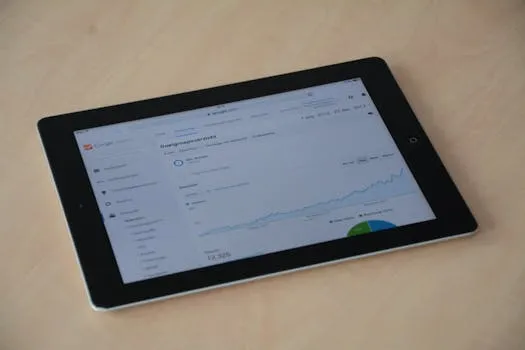
How Do Top Platforms Tackle Cart Abandonment?
<iframe allowfullscreen="" class="sb-iframe" frameborder="0" loading="lazy" src="https://www.youtube.com/embed/mu4IgHlN6BQ" style="width: 100%; height: auto; aspect-ratio: 16/9;"></iframe>## How Do You Make Checkout Fast and Easy?A smooth checkout process turns browsers into buyers. In fact, 22% of shoppers abandon their carts because the checkout is too complicated. Here’s how to simplify it and boost conversions.
Reduce Form Fields
Most online store checkouts have an average of 11.3 fields spread across 5.1 steps. But you only need about 8 fields to complete an order. Here’s how to trim the excess:
- Combine first and last name into a single "Full Name" field
- Tuck away the "Address Line 2" field behind an optional toggle
- Hide promo code fields unless clicked
- Default the billing address to match the shipping address
- Remove unnecessary phone number fields
"What really matters to the overall UX of checkout is the number of form fields users must consider." - Edward Scott, Research Lead, Baymard Institute
Next, make the process even easier by allowing guest checkout.
Offer Guest Checkout
Requiring account creation can hurt your conversion rate. Around 11% of U.S. shoppers have abandoned purchases because the site asked for too much information. Guest checkout can help by:
- Removing obstacles for first-time buyers
- Encouraging impulse purchases
- Building trust gradually
- Speeding up the buying process
After the purchase, you can gently encourage account creation by pre-filling order details. This approach works - repeat customers spend 67% more than new ones.
For an even more seamless experience, consider a single-page checkout.
Create a Single-Page Checkout
Condensing the entire checkout process onto one page reduces friction and speeds things up. Here’s why it works:
- Fewer clicks mean faster completion
- It’s easier to navigate on mobile devices
- Shoppers can see all steps at a glance, reducing drop-offs
- Simplifies tracking where users abandon the process
Key elements to include:
- Progress indicators to show how far along users are
- Trust signals like security badges
- Real-time error notifications
- Auto-fill and dynamic price updates
When done right, single-page checkouts can make a big difference. For example, shoppers using Shop Pay are 77% more likely to buy again from any Shopify store after their first purchase.
Why Should You Add Multiple Payment Methods?
Offering only a few payment options can drive customers away. In fact, 59% of shoppers abandon their carts when their preferred payment method isn't available. Here's how to expand your payment options effectively.
Common Payment Options
Payment preferences differ across regions. For instance, 85% of UK shoppers prefer credit or debit cards, while 71% of Dutch customers rely on iDEAL. To cater to a broader audience, consider these popular options:
- Credit and debit cards
- Digital wallets like PayPal, Apple Pay, and Google Pay
- Buy Now, Pay Later (BNPL) services
- Local payment methods tailored to specific markets
By accommodating these preferences, you create a smoother, more inclusive checkout experience.
"Around 15% of consumers show significant payment diversification in their financial transactions." - Digital Economy Payments
ASOS provides a great example. After introducing options like "Pay later in 30 days", they saw a 19% increase in visits, 7% more frequent orders, and a 31% growth in student customers. The BNPL impact on conversion rates is well-documented across industries. Similarly, small businesses offering multiple payment methods often experience a 30% boost in revenue. The sweet spot? Offering 3-4 widely used payment methods that align with your audience's habits.
Show Security Badges
Once you've expanded payment options, it's crucial to address security concerns. Payment security worries lead to 17% of cart abandonments. Adding trust badges near payment fields can reassure customers and improve conversions.
Here are the most recognized trust badges and their recognition rates:
| Trust Badge | Recognition Rate |
|---|---|
| [McAfee](https://www.trustedsite.com/) | 79% |
| [Verisign](https://www.verisign.com/en_US/website-presence/online/ssl-certificates/index.xhtml) | 76% |
| PayPal | 72% |
Strategic placement of these badges can make a big difference. Place them:
- Near credit card input fields
- Beside "Add to Cart" buttons
- In the checkout footer
- Next to payment method icons
A study by Visual Website Optimizer found that adding a "30-day money-back guarantee" badge led to a 32% sales increase in just 11 days. Using well-known badges at key points can help build trust and encourage customers to complete their purchases.
How Do Clear Shipping Details Reduce Abandonment?
Unclear shipping costs and vague delivery times can seriously hurt your sales. Did you know that 28% of shoppers abandon their carts because of unexpected shipping costs? Here's how you can avoid this and keep those carts from being left behind.
Display Shipping Costs Upfront
Hidden shipping fees are a top reason for abandoned carts. In fact, nearly 70% of online shoppers leave their carts when they encounter unexpected charges. To tackle this issue:
- Show real-time shipping rates on product or cart pages.
- Separate handling fees from shipping costs for transparency.
- Provide multiple shipping options with a range of price points.
Being upfront about shipping costs not only reduces cart abandonment but also makes free shipping promotions more effective.
Use Free Shipping Thresholds
Free shipping is a big motivator for U.S. shoppers. A smart way to offer it is by setting a minimum purchase amount slightly above your average order value - around 30% higher. This encourages customers to spend more while keeping your margins intact.
To make the most of free shipping:
- Set the threshold strategically, about 30% above your average order value.
- Use progress bars to show how close customers are to earning free shipping.
- Recommend products that can help shoppers meet the free shipping minimum.
- Run limited-time free shipping deals to create urgency.
Provide Exact Delivery Dates
Shipping costs aren’t the only concern - delivery uncertainty is another big reason shoppers hesitate. In fact, 42% of shoppers abandon their carts because they’re unsure about delivery timing. Instead of vague terms like "3–5 business days", give a clear estimate, such as "Arrives March 28–30, 2025."
Guaranteed delivery dates are important to 60% of online shoppers during checkout, yet 41% of e-commerce sites don’t offer this information. By providing specific delivery dates, you can reduce doubts and build trust.
Make your delivery details stand out by:
- Showing estimated delivery dates for each shipping option.
- Updating delivery estimates in real time based on inventory location.
- Highlighting guaranteed delivery dates for premium shipping services.
Clear, upfront shipping and delivery information can turn hesitant shoppers into confident buyers.
sbb-itb-9972981
Do Exit Popups Actually Recover Lost Sales?
Exit popups can be a game-changer for reducing cart abandonment. In fact, they can help recover 10-15% of visitors who are about to leave your site. Just like simplifying checkout or being upfront about shipping costs, exit popups give you one last chance to save a sale.
How Exit Popups Work
Exit-intent technology tracks user behavior to predict when someone is about to leave. On desktops, it detects mouse movements toward the browser's close or back buttons. On mobile, it identifies actions like rapid scrolling or tapping the back button. Once triggered, the popup can present an offer aimed directly at changing their mind.
Crafting Effective Popup Offers
To make the most of your exit popups, focus on the reasons people leave. For instance, 56% of users abandon carts due to unexpected costs, while 32% are discouraged by high prices. Address these issues with offers like:
- Limited-time discounts: Provide a 10-15% discount that expires within 24 hours.
- Free shipping: Eliminate a common obstacle, especially for first-time buyers.
- Money-back guarantees: Ease concerns by offering a risk-free purchase option.
Big brands like Tory Burch use this strategy effectively, offering 10% off first orders in their exit popups. Similarly, McEvoy Ranch keeps it simple by providing a discount in exchange for an email address.
Designing Popups That Work
Here are some tips to ensure your popups grab attention and drive action:
- Keep it clean: Use simple, clutter-free designs. Flywheel’s popups show how bold colors and clear messaging can be effective.
- Add contrast: Darken the background behind the popup to make it stand out and draw focus.
- Smart buttons: Highlight the main call-to-action with bright, contrasting colors. For the "No thanks" option, use neutral tones without guilt-inducing language.
- Create urgency: SealSkin Covers uses countdown timers in their popups to push users toward quick decisions.
- Leverage social proof: Add reviews or ratings to your popup, as 63% of shoppers are more likely to buy when they see positive feedback.
How Do Cart Recovery Emails Win Back Sales?
Cart recovery emails are a powerful way to win back lost sales. With nearly 77% of online shopping carts left behind in 2021, setting up an effective email campaign can make a big difference in your revenue.
When to Send Emails
Timing is everything when it comes to recovery emails. Studies reveal that sending the first email within 1–2 hours of abandonment can boost revenue by 105% compared to waiting a full day. Here's a proven schedule:
- First Email (within 1 hour): This is your best chance to convert.
- Second Email (24 hours later): Has an average conversion rate of 17.7%.
- Third Email (3 days later): A final push to bring the customer back.
This sequence works well, with some businesses seeing conversion rates as high as 32%. Make sure to stop the emails once the customer completes their purchase.
What to Include in Emails
Each email in the sequence should have a clear focus:
First Email: Be friendly and helpful.
- Show images of the items left in the cart.
- Include a direct link to the cart.
- Highlight available payment options.
- Offer customer service contact details.
Second Email: Add urgency.
- Use limited-time offers.
- Share reviews or ratings for social proof.
- Remind them of the product’s benefits.
- Include a clear call-to-action button.
Third Email: Sweeten the deal.
- Offer a special discount code.
- Highlight free shipping options.
- Mention product scarcity to create FOMO (fear of missing out).
- Frame it as a final chance to act.
Tailoring these messages to each shopper can make them even more effective.
Make Emails Personal
Personalization can take your recovery emails to the next level. Focus on two key areas:
- Customer Segmentation: Adjust offers based on cart value, customer type (new, returning, VIP), or location-specific shipping and promotions.
- Content Customization: Reference their past purchases, suggest related products, or highlight nearby store availability when relevant.
For example, one retailer recovered $324,672.49 in sales from just their second and third recovery emails - over half of the total revenue from their campaign. By personalizing your emails and sticking to a smart sequence, you can cut down on cart abandonment and reclaim lost sales.
Does Ad Retargeting Bring Shoppers Back?
Ad retargeting is a powerful way to reconnect with potential customers who left your site without making a purchase. By strategically placing ads, you can bring them back and recover lost sales.
Where to Show Ads
The Google Display Network offers massive reach, covering 90% of internet users. With an average cost of $2.28 per 1,000 views, a 0.7% click-through rate, and a median CPC of $0.56, it's a cost-effective option for most businesses. Its access to over 2 million websites makes it a go-to choice for broad exposure.
On the other hand, Facebook excels in targeting specific demographics and interests, reaching 27% of internet users. This makes it a great complement to Google’s broader coverage.
Show Cart Items in Ads
Dynamic product ads consistently outperform static ones. They deliver:
- Double the click-through rates
- 34% lower cost-per-action
To make the most of dynamic ads, ensure they:
- Feature high-quality images of abandoned items
- Display accurate pricing and availability
- Link directly to the checkout page
- Include product ratings, if available
Create Better Retargeting Ads
Effective retargeting requires careful planning.
"When the Google Display Network shows your remarketing ads on millions of sites across multiple countries, it can build brand awareness, bring customers back - and generate more revenue." - Mailchimp
Here’s a simple three-step approach:
- Remind users by showcasing the exact items left in their cart.
- Create urgency with timers or limited-time offers.
- Seal the deal with an irresistible incentive, like free shipping or a discount.
For best results, tailor your campaigns based on device type, location, language, and purchase history. And don’t forget to optimize your mobile shopping experience to further reduce cart abandonment.
How Do You Fix Mobile Shopping Issues?
With checkout and payment processes already streamlined, it's time to tackle mobile shopping challenges. Mobile commerce now dominates eCommerce, making up 63% of total online retail sales. But there's a catch - mobile cart abandonment rates hover around a staggering 80.2%. Fixing mobile-specific problems can help recover these lost sales.
Why Mobile Matters
Here are some key figures to consider:
- Only 12% of customers consider mobile shopping convenient.
- 57% of internet users avoid recommending businesses with poorly designed mobile sites.
- 53% of visitors expect a site to load in under 3 seconds.
Mobile Store Fixes
There are a few straightforward ways to improve the mobile shopping experience:
- Speed Optimization
Slow-loading sites are a dealbreaker. Boost speed by:
- Converting images to WebP for smaller file sizes.
- Cutting out unnecessary redirects.
- Enabling browser caching.
- Optimizing server response times.
- Thumb-Friendly Design
Did you know 61% of 18–34-year-olds prefer one-handed navigation? Make your site easier to use by:
- Placing key elements within thumb reach.
- Adding enough space between clickable items.
- Using larger buttons (minimum 44x44 pixels).
- Including swipe gestures for browsing product images.
- Simplified Checkout
Mobile app users convert 3x more often than those on mobile web. Simplify checkout by:
- Offering address autofill.
- Enabling guest checkout.
- Displaying numerical keyboards for payment fields.
- Integrating mobile payment options like Apple Pay and Google Pay.
Check All Device Types
Testing your store on different devices ensures a smooth experience for every user. Here's how you can evaluate performance:
| **Testing Area** | **Key Checks** | **Tools** |
|---|---|---|
| Responsive Design | Layout consistency, image scaling | Chrome DevTools |
| Load Speed | Page load time, image optimization | Google PageSpeed Insights |
| Functionality | Forms, buttons, navigation | [BrowserStack](https://www.browserstack.com/) |
| Payment Process | Checkout flow, payment methods | Real device testing |
Keep an eye on metrics like bounce rates, conversion rates, and checkout completions through Google Analytics to track your progress.
We've helped dozens of Shopify and WooCommerce stores across Malaysia and Singapore tackle mobile checkout issues, and the pattern is consistent: most stores lose more revenue to mobile friction than they realise. For a deeper look at what's possible, see our guide on how to boost ecommerce conversion rates in Malaysia.
Not sure where your store stands? Get a free ecommerce scorecard — we'll audit your store and show you exactly what to fix first.
What Results Can You Expect?
Cart abandonment rates hover around 70.21%. By using targeted strategies, you can turn lost opportunities into sales and improve your overall conversion rates.
Strategy Summary
Here are four effective approaches and their potential impact:
| **Strategy** | **Impact** | **Key Benefit** |
|---|---|---|
| Simplified Checkout | 35.26% increase in conversions | Makes the purchasing process easier |
| Cart Recovery Emails | 50% open rate, 6.5% click-through rate | Reconnects with interested shoppers |
| Mobile Optimization | Reduces mobile abandonment (up to 85.65%) | Taps into the growing mobile audience |
| Multiple Payment Options | Greater payment flexibility | Offers customers more convenience |
Each of these methods makes the shopping experience smoother and delivers real results.
Results You Can Expect
Companies in the US and EU could recover up to $260 billion every year by addressing cart abandonment. By focusing on key areas like transparent pricing, easy navigation, trust-building, and recovery campaigns, you can turn abandoned carts into a steady revenue stream.
Here’s what to prioritize:
- Simplify the journey from browsing to buying.
- Build trust with clear and honest communication.
- Use smart recovery tactics to win back hesitant buyers.
- Ensure your site works seamlessly across devices and supports multiple payment options.
Bottom Line
Cart abandonment is not a mystery -- it is a set of predictable friction points, each with a proven fix. Transparent pricing, streamlined checkout, smart recovery emails, and a solid mobile experience can collectively recover a significant slice of lost revenue. The stores that win are the ones that fix these issues systematically, not all at once.
Not sure where your store stands? Get a free ecommerce scorecard -- we'll audit your store and show you exactly what to fix first.
Frequently Asked Questions
What is a good eCommerce conversion rate?
The average eCommerce conversion rate is around 2-3%. Top-performing stores achieve 5% or higher. Your target depends on your industry, traffic quality, and product type.
How do I improve my store's conversion rate?
Focus on page speed, clear product photography, trust signals like reviews and security badges, streamlined checkout, and multiple payment options. Test changes with A/B testing.
What tools can I use to track conversions?
Google Analytics, Shopify Analytics, and tools like Hotjar for heatmaps and session recordings. These help you identify where visitors drop off and what to optimise.
Keep reading:

Free Download
We audited 10 Shopify stores doing $1M–$20M. Here are the 15 leaks every one had.
Real screenshots (names blurred). Most operators have 8 of the 15 and don't know it.
From 10 audits across SG, MY, AE — fashion, beauty, electronics, food.
PDF in your inbox in 30 seconds. 1 email. No follow-up unless you ask.